Remote Therapeutic Monitoring (RTM) Software
Keep Therapy on Track Between Every Visit
Track therapy adherence and response for musculoskeletal, respiratory and CBT patients, count device data days and close each month with an RTM billing report.
- 4.8/5 on CapterraVerified reviews
- HIPAA-CompliantPlatform
- eSignature ConsentBuilt into enrollment

- Consent recorded
- Device set up
- Monthly live check-in
What Is Remote Therapeutic Monitoring?
Remote therapeutic monitoring (RTM) is a Medicare-covered service that uses a connected medical device to collect non-physiologic data about a patient’s therapy, such as therapy adherence, therapy response and pain. Care teams review the data between visits and use it to manage the treatment plan.
Who's eligible
Any patient with a musculoskeletal, respiratory or CBT therapy need who consents and uses a connected device.
Who can bill
Physicians, NPs and PAs, plus physical and occupational therapists and speech-language pathologists billing under a therapy plan of care.
How it's billed
A one-time setup code, a device supply code each 30-day period and monthly treatment management time codes.
Monitor Three Types of Therapy on One Platform
Musculoskeletal Monitoring
Track therapy adherence, pain and function for back, joint and post-surgical recovery plans between visits.
Respiratory Monitoring
Track therapy adherence and response for patients with asthma, COPD and other chronic lung conditions.
Cognitive Behavioral Therapy
Track how patients use and respond to cognitive behavioral therapy between their scheduled visits.
Years Serving US Practices
Care Programs
Providers served
Patients monitored
How Remote Therapeutic Monitoring Works
Enroll the Patient
Identify eligible patients and establish a therapy monitoring plan based on their treatment needs.
Collect Therapy Data
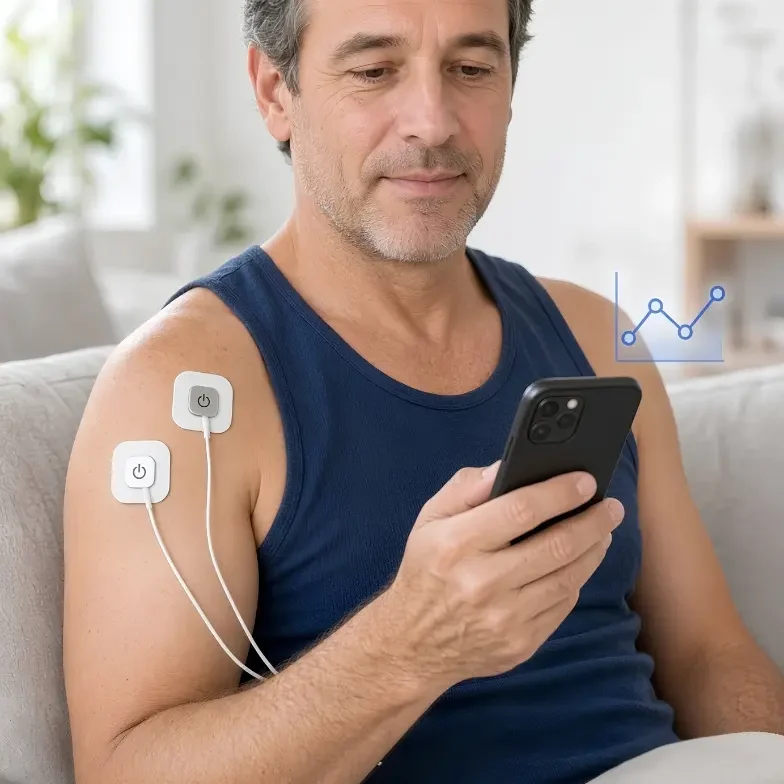
Patients use eligible monitoring devices to record therapy-related data, such as treatment adherence or respiratory measurements.

Review and Monitor Progress
Care teams review available data, communicate with patients, and assess their response to the prescribed treatment.

Document and Adjust Care
Providers document monitoring activities, address concerns, and adjust the treatment plan when clinically appropriate.

Connected Monitoring for Ongoing Therapy Management
HumHealth helps care teams monitor therapy-related data, review patient progress, and manage treatment between clinical visits.
- Therapy adherence tracking to monitor treatment participation
- Pain monitoring to understand patient response
- Respiratory and musculoskeletal therapy progress tracking
- Patient communication to support ongoing treatment
- Therapy data review to assess treatment progress
- RTM time tracking to support billing documentation
- Bluetooth
- Drug-free
- Home use
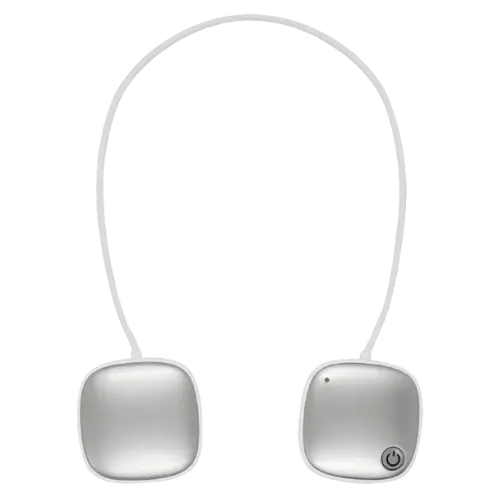
Bluetooth TENS Therapy Device for RTM
A TENS (transcutaneous electrical nerve stimulation) device sends low-voltage electrical pulses through the skin as a drug-free option for pain relief at home. Therapy sessions sync over Bluetooth, so your care team can see how often patients use the therapy you prescribed.
Designed to Help
- Relieve muscle and joint pain
- Relax tight muscles
- Support mobility during recovery
- Support home rehabilitation
Often Prescribed For
- Chronic low back pain
- Osteoarthritis
- Recovery after surgery
- Muscle and joint pain
5 Stimulation Modes
- Massage
- Tapping
- Scraping
- Acupuncture
- Combination
Use as prescribed and according to the device's instructions for use.
RTM CPT Codes and 2026 Medicare Reimbursement
Medicare pays for remote therapeutic monitoring through three types of CPT codes: a one-time setup code, a device supply code for each 30-day period, and treatment management codes for each calendar month. New for 2026, device data on as few as 2 days and 10 minutes of treatment management time can be billed.
| CPT Code | Service | Requirement | Avg. Payment* |
|---|---|---|---|
| 98975 | Initial setup and patient education on device use | Once per episode of care | ~$22 |
| 98977 | Musculoskeletal device supply and data transmission | 16 to 30 days in a 30-day period | ~$51 |
| 98985 | Musculoskeletal device supply and data transmission (new 2026) | 2 to 15 days in a 30-day period | ~$51 |
| 98976 | Respiratory device supply and data transmission | 16 to 30 days in a 30-day period | ~$52 |
| 98984 | Respiratory device supply and data transmission (new 2026) | 2 to 15 days in a 30-day period | ~$52 |
| 98978 | Cognitive behavioral therapy device supply and data transmission | 16 to 30 days in a 30-day period | Varies by MAC |
| 98986 | Cognitive behavioral therapy device supply and data transmission (new 2026) | 2 to 15 days in a 30-day period | Varies by MAC |
| 98979 | Treatment management, first 10 minutes (new 2026) | 10 to 19 minutes per calendar month | ~$26 |
| 98980 | Treatment management, first 20 minutes | 20 minutes per calendar month | ~$54 |
| 98981 | Add-on to CPT Code 98980 | Each additional 20 minutes | ~$41 |
*Approximate 2026 Medicare national non-facility averages. Actual payment varies by location, setting, payer and documentation. Bill one device supply code per patient per 30-day period. Treatment management codes require at least one real-time interactive communication with the patient or caregiver in the month; bill CPT Codes 98979 or 98980, not both. RTM and RPM can't be billed together. Cognitive behavioral therapy device CPT Codes 98978 and 98986 have no national rate; your Medicare Administrative Contractor (MAC) sets the payment. Check current rates in the CMS Physician Fee Schedule Look-Up Tool. CPT codes and descriptions only are copyright American Medical Association. This is not billing or legal advice.
Estimate Your Monthly RTM Revenue
Model your program by enrollment, data days and treatment management time.
CMS has no national rate for CBT device codes. Your Medicare Administrative Contractor (MAC) sets it.
Per billable patient each month: Device supply (16 to 30 day or 2 to 15 day code for the selected condition) plus the selected treatment management time. Patients with fewer than 2 data days aren't billed in this estimate. Uses approximate 2026 Medicare national averages; for CBT, it uses the MAC rate you enter. Actual results vary.
Get a Custom Revenue EstimateBring Every Eligible Patient Into Your RTM Program
Remote Therapeutic Monitoring FAQs
What is remote therapeutic monitoring (RTM)?
Remote therapeutic monitoring (RTM) is a Medicare-covered service that uses a connected medical device to collect non-physiologic data about a patient’s therapy, such as musculoskeletal status, respiratory status, cognitive behavioral therapy, therapy adherence and therapy response. The care team reviews the data between visits and uses it to manage the treatment plan.
What is the difference between RTM and RPM?
Remote Patient Monitoring (RPM) tracks physiologic data, such as blood pressure, weight or blood glucose. RTM tracks non-physiologic therapy data, which is often self-reported, such as pain, function and therapy adherence. RPM requires an established patient relationship and RTM does not. RPM and RTM can’t be billed together for the same patient.
What conditions can RTM monitor?
RTM codes cover three areas: the musculoskeletal system, the respiratory system and cognitive behavioral therapy. Common uses include back and joint pain, recovery after surgery, asthma, chronic obstructive pulmonary disease (COPD) and therapy for anxiety, depression or insomnia.
Who can bill RTM services?
Physicians and non-physician practitioners, such as nurse practitioners and physician assistants, can bill RTM. CMS also designates RTM codes as “sometimes therapy,” so physical therapists, occupational therapists and speech-language pathologists can bill them under a therapy plan of care with the required therapy modifier.
What are the RTM CPT codes for 2026?
- CPT Code 98975: Initial setup and patient education on device use
- CPT Codes 98977 and 98985: Musculoskeletal device supply, 16 to 30 days or 2 to 15 days in a 30-day period
- CPT Codes 98976 and 98984: Respiratory device supply, 16 to 30 days or 2 to 15 days
- CPT Codes 98978 and 98986: Cognitive behavioral therapy device supply, 16 to 30 days or 2 to 15 days (contractor priced)
- CPT Code 98979: Treatment management, first 10 minutes in a calendar month
- CPT Code 98980: Treatment management, first 20 minutes in a calendar month
- CPT Code 98981: Each additional 20 minutes of treatment management
See the rates in the RTM CPT codes table above.
What changed for RTM in 2026?
In the CY 2026 Physician Fee Schedule, CMS added device supply codes for 2 to 15 days of data in a 30-day period (CPT Codes 98984, 98985 and 98986) and a treatment management code for the first 10 minutes in a month (CPT Code 98979). Before 2026, RTM device codes required at least 16 days of data and treatment management required at least 20 minutes.
How many days of device data are needed to bill RTM?
At least 2 days of data in a 30-day period. Bill CPT Codes 98984, 98985 or 98986 for 2 to 15 days, and CPT Codes 98976, 98977 or 98978 for 16 to 30 days. Only one device supply code can be billed per patient for each 30-day period.
Do RTM treatment management codes require interactive communication?
Yes. CPT Codes 98979, 98980 and 98981 require at least one real-time interactive communication with the patient or caregiver during the calendar month. The time spent on that communication counts toward the total treatment management time.
Can RTM be billed with CCM or other care management services?
Yes. RTM can be billed in the same month as Chronic Care Management, Principal Care Management, Transitional Care Management and Behavioral Health Integration, as long as the same time isn’t counted toward more than one service. RTM can’t be billed with RPM for the same patient.
Does RTM require an established patient relationship?
No. CMS requires an established patient relationship for RPM, but not for RTM.
Is patient consent required for RTM?
Yes. CMS requires patient consent for all services, including non-face-to-face services like RTM. Document consent before you start monitoring. HumHealth captures eSignature consent as part of enrollment.
What devices qualify for RTM?
The device must meet the FDA definition of a medical device and must collect and transmit the patient’s therapy data. The data can be self-reported by the patient or recorded by the device. CMS doesn’t approve specific device brands, so check each device’s FDA status before you use it.
How does HumHealth support RTM?
HumHealth supports RTM on one platform:
- Patient enrollment with eSignature consent
- Musculoskeletal, respiratory and cognitive behavioral therapy conditions
- Device setup and therapy data tracking
- Device data days counted for each 30-day period
- Treatment management time tracking
- Calls to patients logged from the platform
- RTM billing reports with CPT codes
Book a demo to see the RTM workflow.