Published:
July 28, 2026 | 6 min readPatient engagement is one of the most important factors in the success of Chronic Care Management (CCM) and Remote Patient Monitoring (RPM) programs.
While healthcare providers invest significant time in care coordination, technology, and clinical support, positive outcomes depend on whether patients actively participate in their care.
Patients who understand their health conditions, communicate regularly with their care team, and consistently follow their care plans are more likely to experience better health outcomes. This is common knowledge according to published research compilations from the U.S. Centers for Disease Control and Prevention.
They are also more likely to remain enrolled in care management programs, improving continuity of care.
Modern Chronic Care Management Software and Remote Patient Monitoring Software help healthcare providers maintain continuous communication, monitor patient health remotely, and encourage patients to take an active role in managing chronic conditions.
In this guide, we’ll explore practical strategies healthcare providers can use to improve patient engagement while delivering high-quality, patient-centered care.
But first, what is patient engagement and how exactly does it contribute to care management?
What is Patient Engagement?
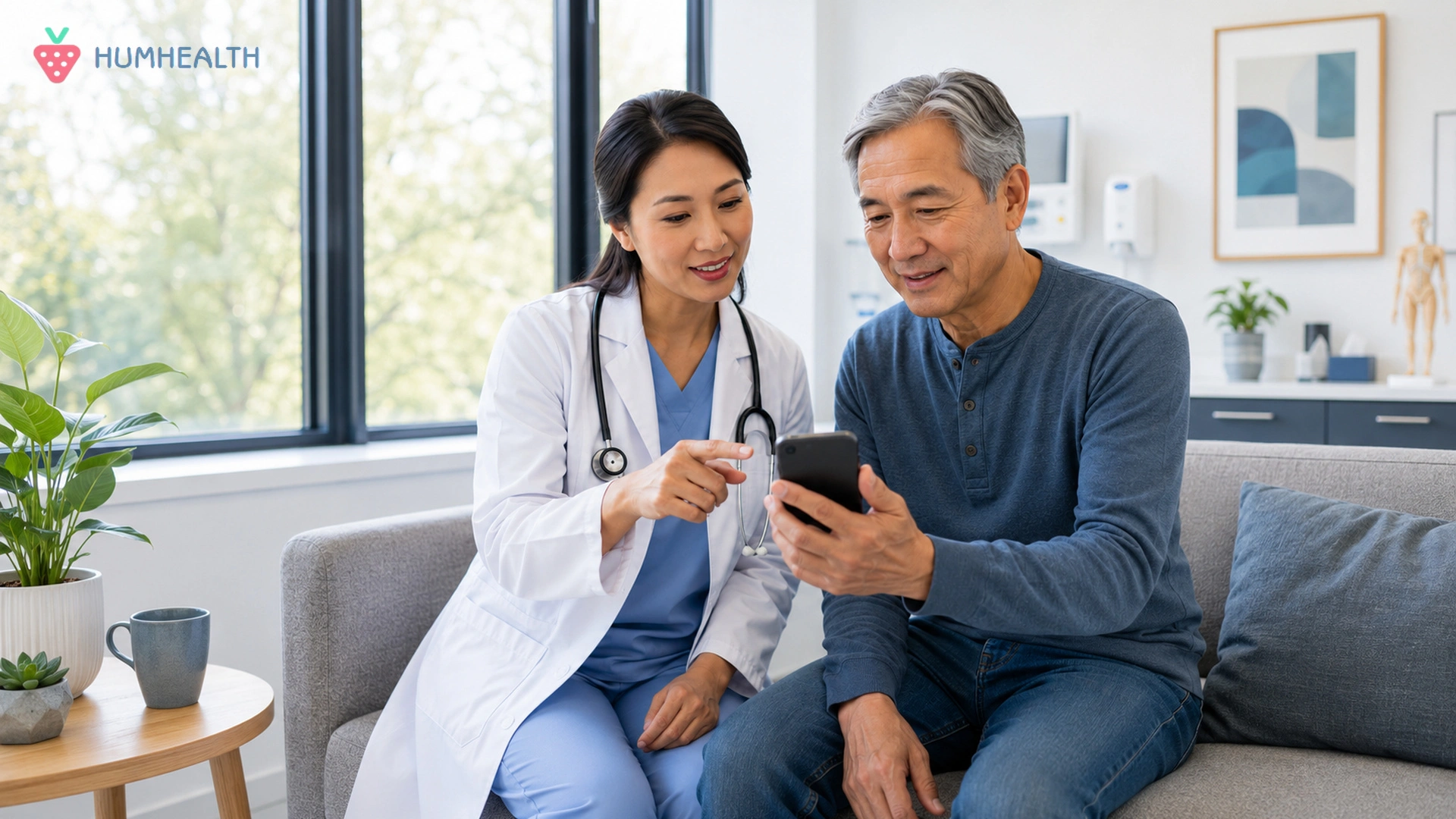
A concept analysis of the term “Patient Engagement” was published in the National Library of Medicine. Patient engagement was defined as “the desire and capability to actively choose to participate in care in a way uniquely appropriate to the individual, in cooperation with a healthcare provider or institution, for the purposes of maximizing outcomes or improving experiences of care.”
Thus, it is both a process and a behavior which is determined by the relationship between the patient and the provider.
Why Patient Engagement Is Critical in Care Management Programs
Patient engagement goes beyond simply enrolling patients into a care management program. It involves encouraging patients to become active participants in their healthcare journey.
Highly engaged patients are more likely to:
- Follow personalized care plans.
- Take medications as prescribed.
- Monitor their health regularly.
- Respond to care team communications.
- Report symptoms early.
- Build long-term relationships with providers.
For healthcare organizations, higher patient engagement supports better chronic disease management while improving the overall effectiveness of CCM and RPM programs.
The following are some ways by which providers and healthcare organizations can improve patient engagement.
Educate Patients About Their Care Plan
Many patients are unfamiliar with Medicare care management services. Some may not understand why monthly care management calls or remote monitoring are important.
Healthcare providers should explain:
- What CCM and RPM programs are.
- How continuous care improves long-term health.
- The benefits of regular communication.
- Why monitoring vital signs matters.
- How patients can participate successfully.
Education should continue beyond enrollment.
Every interaction is an opportunity to reinforce healthy behaviors and encourage participation.
Simple explanations and easy-to-understand educational resources help patients feel confident about managing their health.
Make Communication Easy and Consistent
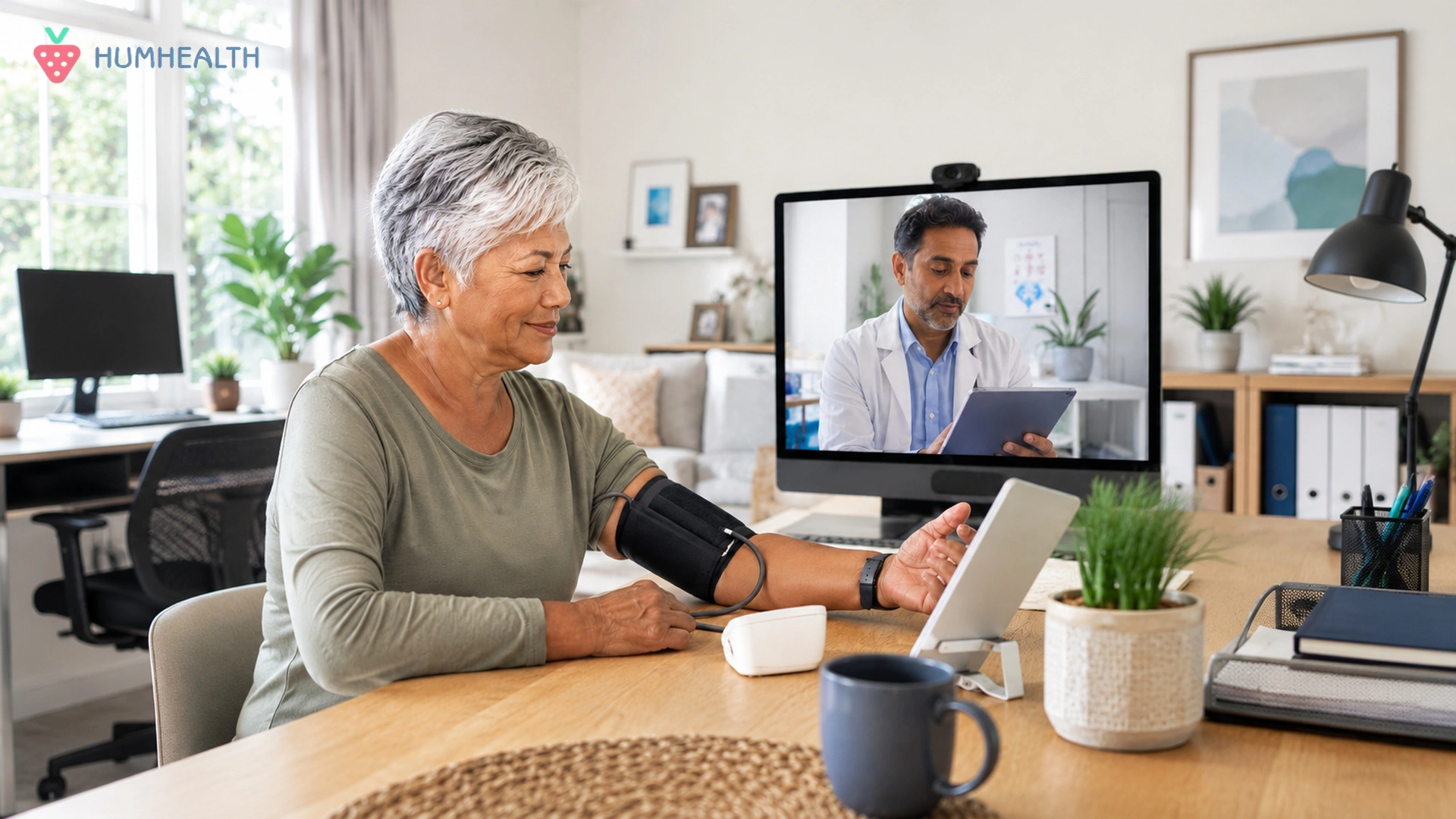
Regular communication helps patients stay connected to their healthcare team.
Instead of waiting until the next office visit, healthcare providers should stay connected with patients throughout their care journey.
Regular communication helps patients stay informed, follow their care plan, and remain engaged in managing their health.
Healthcare providers can improve patient engagement by:
- Secure patient messaging.
- Monthly care management calls.
- Sending educational materials to patients.
- Regular follow-up conversations.
- Reviewing and updating personalized care plans.
These simple touchpoints help patients stay involved in their care and allow providers to identify health concerns early.
Consistent communication also builds trust and supports better outcomes in Chronic Care Management (CCM) and Remote Patient Monitoring (RPM) programs.
Use Remote Patient Monitoring Software for Continuous Care

Remote monitoring has transformed how providers manage chronic conditions.
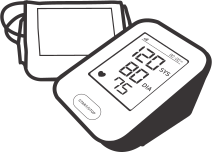
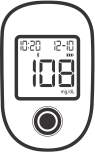
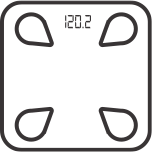
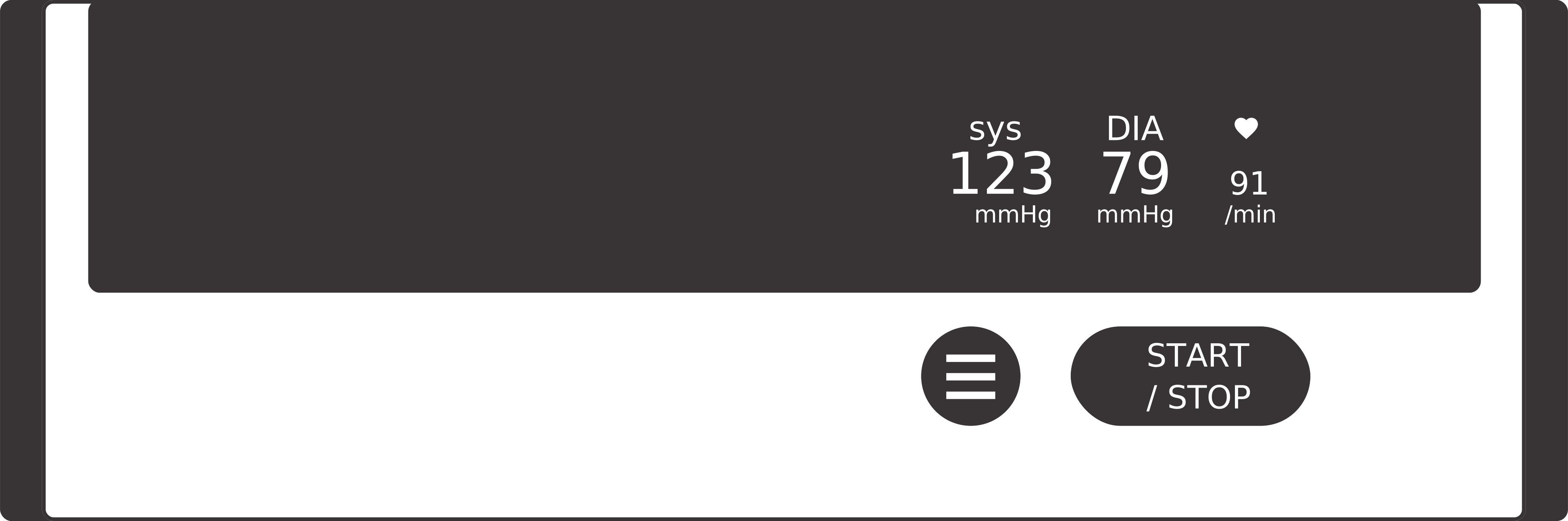
With Remote Patient Monitoring Software, patients can securely share readings from connected devices such as:
- Blood Pressure Monitors
- Weight Scales
- Blood Glucose Devices
Instead of relying only on periodic office visits, providers receive regular health data that helps identify changes early.
When abnormal readings are detected, care teams can contact patients promptly, helping prevent complications before they become serious.
Patients also gain confidence knowing their health is being monitored between visits, which encourages long-term participation in the program.
Leverage Chronic Care Management Software for Better Care Coordination
Care coordination is at the heart of successful chronic disease management.
Using Chronic Care Management Software, providers can organize patient care plans, document monthly interactions, schedule follow-up activities, and communicate more effectively with patients.
Rather than relying on manual processes, clinical teams can focus on delivering personalized care while ensuring every patient receives consistent support.
This structured approach helps patients remain engaged because they receive ongoing attention instead of care only during office visits.
Personalize Care Plans for Every Patient
Every patient has unique healthcare needs.
A patient with diabetes requires different guidance than someone managing hypertension or heart failure.
A personalized care plan should include:
- Individual health goals.
- Medication guidance.
- Lifestyle recommendations.
- Physical activity goals.
When patients feel their care plan reflects their personal needs, they are much more likely to stay committed.
Encourage Patients to Use Digital Health Tools
Technology makes it easier for patients to stay involved in their care.
A user-friendly patient mobile application makes it easier for patients to stay involved in their care.
Patients can:
- View their personalized care plan.
- Track vital signs.
- Monitor sleep and stress levels.
- Track healthy eating by monitoring calorie intake and calories burned.
- Communicate securely with the care team.
Making healthcare more accessible encourages patients to remain active participants instead of passive recipients of care.
Involve Family Members and Caregivers

Many patients benefit from support at home.
Family members and caregivers can help patients:
- Follow care plans.
- Remember medications.
- Monitor health changes.
- Encourage healthy habits.
- Stay motivated.
Including caregivers in the care team strengthens the support system surrounding each patient and increases long-term engagement.
Measure and Improve Patient Participation
Improving patient engagement is an ongoing process.
Healthcare providers should regularly review:
- Patient communication frequency.
- Completion of scheduled care management interactions.
- Consistency of vital sign submissions.
- Participation in care management activities.
These insights help care teams identify patients who may need additional education or encouragement while continuously improving program effectiveness.
Use the Right Care Management Software
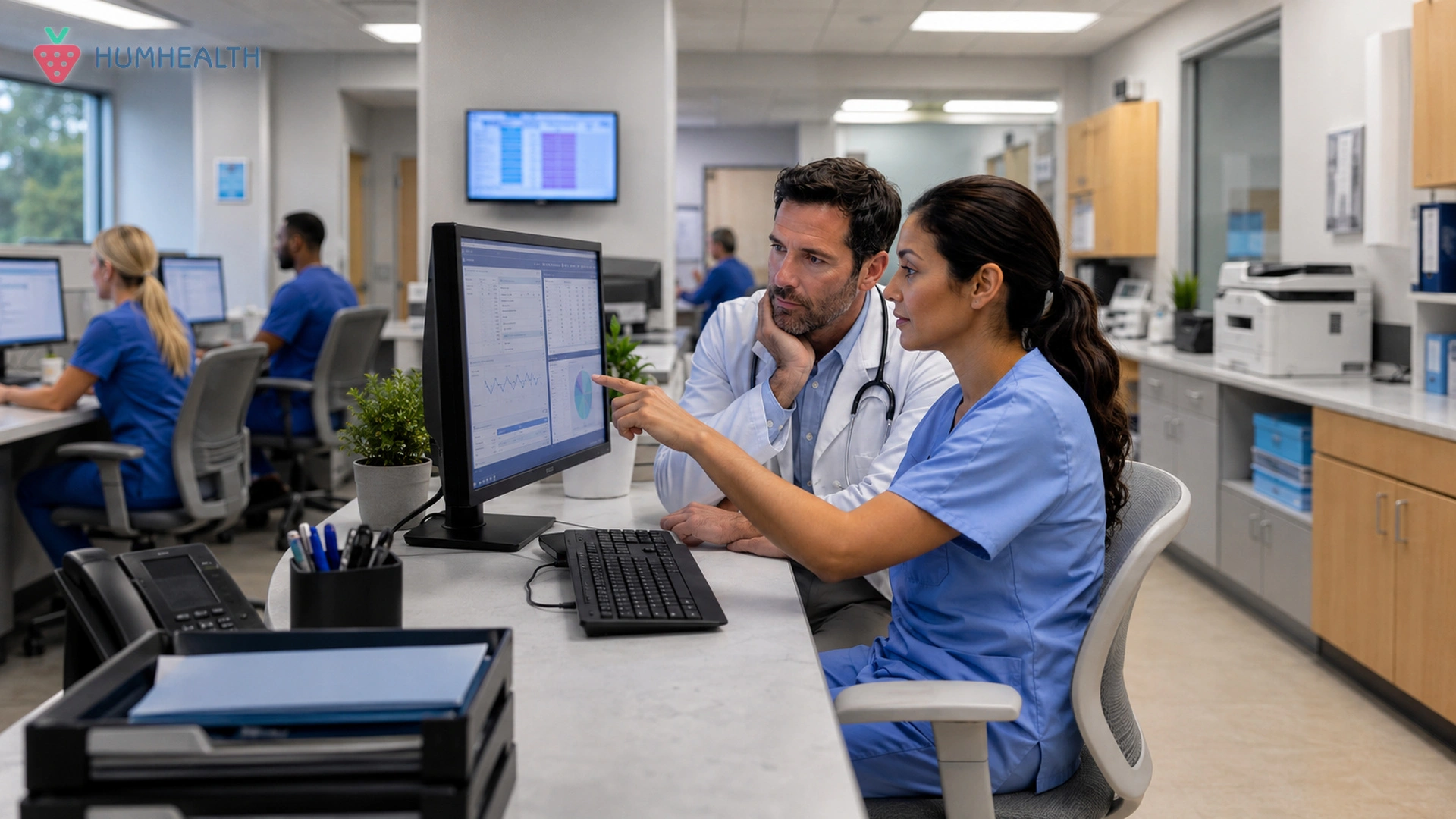
In the earlier sections, we read about the importance of using software for both remote patient monitoring and chronic care management.
Technology should simplify care management, not make it more complicated.
An effective Care Management Software platform should help providers:
- Manage both CCM and RPM programs in one place.
- Create and maintain personalized care plans.
- Monitor patient vitals.
- Support secure patient communication.
- Manage connected medical devices.
- Document patient interactions.
- Generate program reports.
- Improve care coordination.
Using one integrated platform reduces administrative work while creating a better experience for both providers and patients.
Are You Ready to Increase Patient Engagement?
Patient engagement is the foundation of successful Chronic Care Management (CCM) and Remote Patient Monitoring (RPM) programs.
Healthcare providers that prioritize communication, personalized care, and continuous monitoring are better positioned to improve patient outcomes and strengthen long-term relationships.
Modern Remote Patient Monitoring Software and Chronic Care Management Software play an important role in supporting these efforts by helping care teams stay connected with patients beyond traditional office visits.
As healthcare continues to evolve toward proactive, patient-centered care, organizations that invest in effective engagement strategies and the right care management technology will be well positioned to deliver better clinical outcomes.
For healthcare organizations looking to build stronger, more connected care programs, HumHealth streamlines care coordination through a unified platform which greatly optimizes patient engagement.
Frequently Asked Questions
Patient engagement in healthcare is a patient’s willingness and ability to actively participate in their own care, in partnership with their care team. It matters because about 6 in 10 U.S. adults live with at least one chronic disease (CDC), and these conditions are managed far better when patients follow their care plans, take medications as prescribed, and monitor their health between visits. In Chronic Care Management (CCM) and Remote Patient Monitoring (RPM) programs, patient engagement is one of the strongest predictors of better outcomes and long-term program success.
Patient engagement is important in Chronic Care Management (CCM) and Remote Patient Monitoring (RPM) because outcomes depend on whether patients participate in their care between office visits. Engaged patients are more likely to follow personalized care plans, take medications correctly, submit regular vital-sign readings, report symptoms early, and stay enrolled month after month. This drives better chronic disease management, fewer avoidable complications and hospitalizations, and steadier Medicare reimbursement for the practice.
Healthcare providers can improve patient engagement by educating patients about their care plan, keeping communication easy and consistent, personalizing care plans to each patient’s needs, using remote monitoring for continuous care, encouraging digital health tools, and involving family members and caregivers. Tracking participation, such as communication frequency and vital-sign submissions, helps care teams spot patients who need extra support and steadily improve program effectiveness.
Care Management Software improves patient engagement by giving providers a single platform to manage care plans, monitor patient vitals, message securely, automate reminders, and document every interaction. HumHealth combines FDA-cleared connected devices and software in one platform and supports 11+ Medicare programs — including RPM, CCM, RTM, APCM, BHI, PCM, AWV, TCM, CPM, CHI, and PIN — with a built-in time tracker and transparent per-patient pricing. It is a software platform your own team uses to make patient engagement faster and easier, not an outsourced service.
Patient engagement is typically measured by how consistently patients participate in their care. Common indicators include communication frequency, completion of scheduled monthly care management interactions, consistency of vital-sign submissions, and participation in care activities such as education and follow-ups. HumHealth’s built-in time tracker and reporting make these metrics easy to monitor, helping care teams identify patients who need more support and prove the value of their CCM and RPM programs.
HumHealth is a HIPAA-compliant care management software platform built to improve patient engagement across Chronic Care Management (CCM) and Remote Patient Monitoring (RPM) programs. It combines connected 4G devices, automated reminders, secure messaging, clinician dashboards, and one-click billing in a single platform, supports the new 2026 RPM CPT codes 99445 and 99470, and offers transparent per-patient pricing with no long-term contracts. This helps practices keep patients engaged between visits while reducing administrative work for staff.