Published: July 22, 2026 | 3 min read
Healthcare practices today are increasingly adopting advanced care management solutions to improve patient outcomes, reduce hospital readmissions, and strengthen long-term patient engagement.
One of the most effective strategies is combining Chronic Care Management (CCM) with Remote Patient Monitoring (RPM). Together, these services help healthcare providers deliver proactive, patient-centered care while improving operational efficiency.
Understanding CCM and RPM
Chronic Care Management (CCM) is designed for patients living with two or more chronic conditions such as diabetes, hypertension, heart disease, or COPD. CCM focuses on continuous care coordination, medication management, and regular patient follow-ups outside traditional office visits.
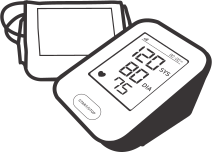
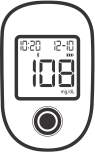
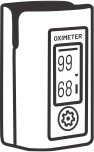
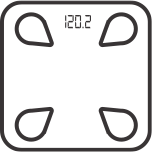
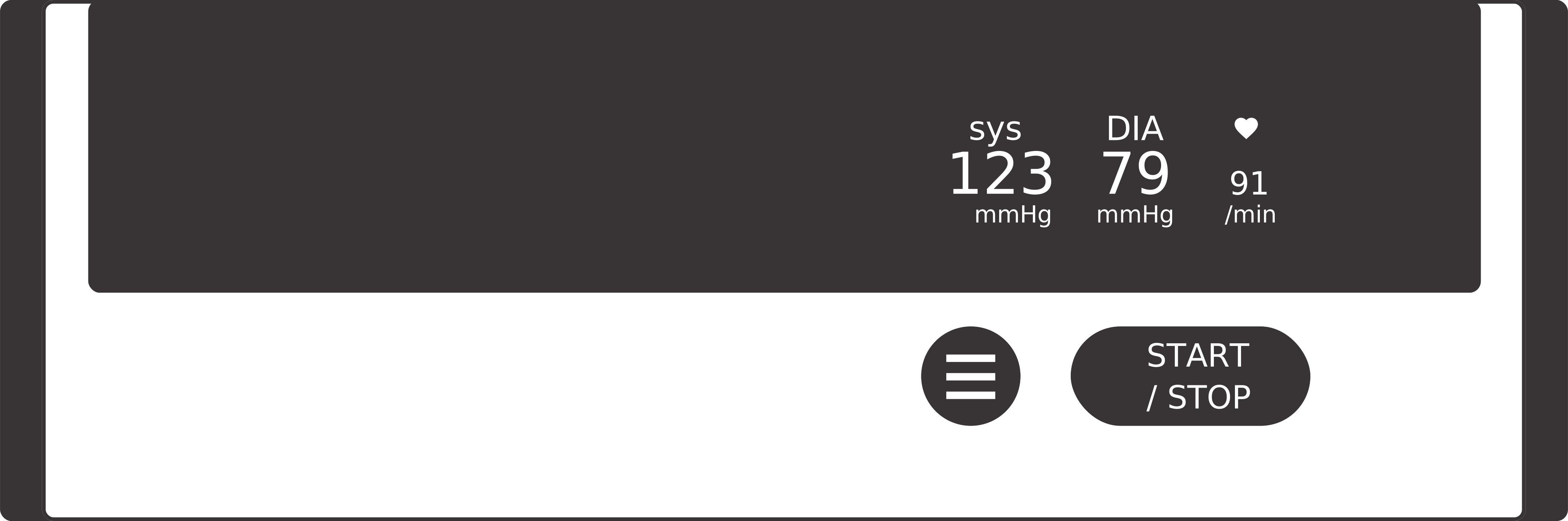
Remote Patient Monitoring (RPM) allows healthcare providers to track patient health data remotely using connected medical devices. Providers can monitor blood pressure, glucose levels, oxygen saturation, weight, and other vital signs in real time.
Improved Patient Outcomes Through Continuous Monitoring
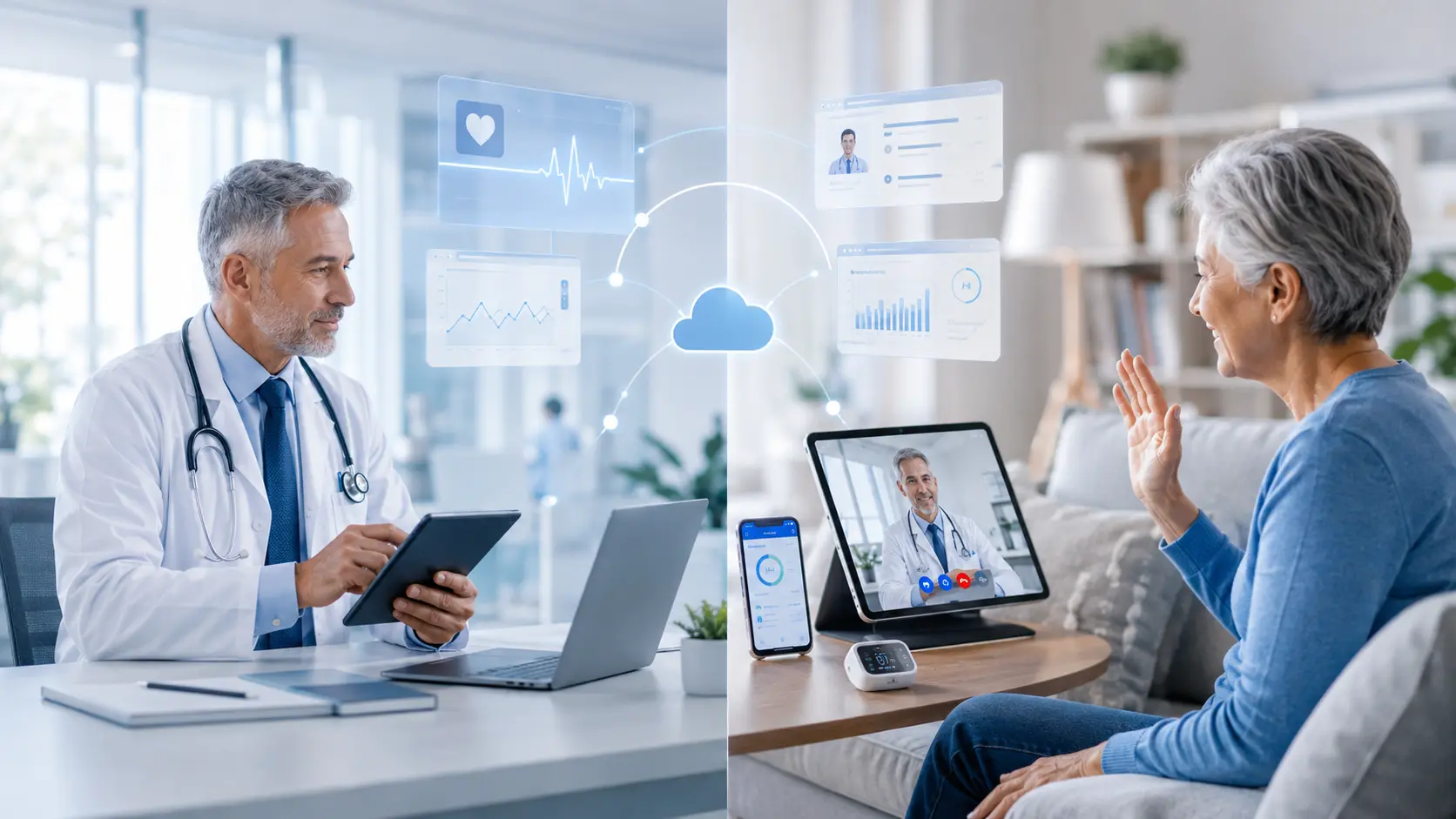
One of the primary advantages of integrating CCM with RPM is better patient management through continuous health tracking. RPM devices provide real-time patient data, allowing care teams to identify health risks before they become serious complications.
For example, if a patient’s blood pressure readings show consistent changes over time, healthcare providers can intervene quickly through medication adjustments, lifestyle guidance, or care plan adjustments.
This proactive approach helps reduce emergency room visits and hospitalizations while improving chronic disease management.
Enhanced Patient Engagement
Patient engagement plays a critical role in successful chronic care management. CCM combined with RPM encourages patients to stay actively involved in their health journey.
With regular communication, reminders, and monitoring, patients become more aware of their conditions and treatment plans. They are more likely to follow medication schedules, attend appointments, and maintain healthier lifestyles.
Increased engagement often leads to higher patient satisfaction and stronger provider-patient relationships.
Streamlining Care Coordination for Healthcare Practices

Practices offering CCM and RPM can streamline communication between physicians, nurses, care coordinators, and patients. Centralized patient data enables care teams to make faster and more informed decisions.
Healthcare providers can track patient progress remotely, schedule timely follow-ups, and prioritize high-risk patients who need immediate attention. This improves workflow efficiency and reduces the burden on in-office staff.
Supporting Value-Based Care Initiatives
The healthcare industry continues to move toward value-based care models that focus on quality outcomes rather than volume of services. CCM and RPM align perfectly with this approach by enabling preventive care, continuous monitoring, and personalized treatment plans.
Practices that implement RPM and CCM programs improve quality metrics, patient satisfaction scores, and overall clinical performance.
The Future of Connected Care with HumHealth
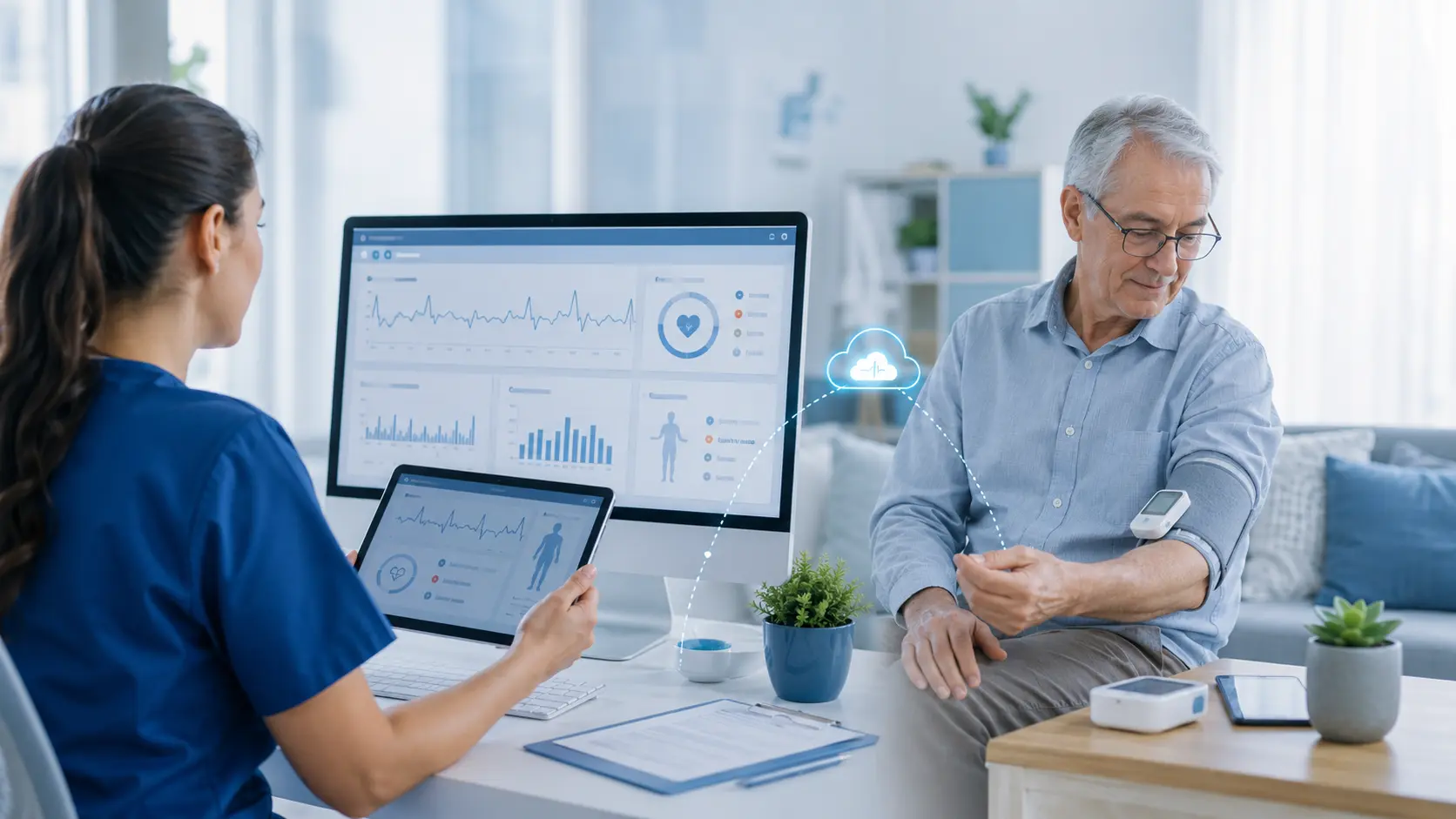
HumHealth insists that providing CCM with RPM helps healthcare practices deliver proactive, data-driven, and patient-centered care. From improving chronic disease management to increasing patient engagement and reducing healthcare costs, the integration of CCM and RPM offers significant benefits for both providers and patients.
As healthcare continues to evolve, practices adopting CCM and RPM solutions will be better positioned to improve patient outcomes, enhance operational efficiency, and succeed in value-based care environments.
Frequently Asked Questions
Chronic Care Management (CCM) and Remote Patient Monitoring (RPM) are two distinct care programs. CCM focuses on continuous care coordination, medication management, and regular follow-ups for patients with two or more chronic conditions. RPM uses connected devices to track vitals like blood pressure, glucose, and oxygen levels in real time. CCM manages the care plan; RPM supplies the live health data behind it.
Yes. CCM and RPM are designed to complement each other and are often delivered together. RPM continuously captures patient vitals through connected devices, while CCM turns that data into coordinated action through care plans, follow-ups, and medication management. Combining both gives practices proactive, data-driven oversight of chronic-condition patients between office visits.
Combining CCM with RPM improves outcomes by enabling continuous health tracking and early intervention. Real-time RPM data lets care teams spot warning signs, such as rising blood pressure, before they become emergencies, prompting timely medication or care-plan adjustments. This proactive approach reduces emergency room visits and hospital readmissions while strengthening chronic disease management.
Chronic Care Management is intended for patients living with two or more chronic conditions expected to last at least 12 months, such as diabetes, hypertension, heart disease, or COPD. These patients benefit most from ongoing care coordination, remote monitoring, and structured follow-ups outside of traditional in-office appointments.
CCM and RPM align directly with value-based care by prioritizing quality outcomes over service volume. Both programs enable preventive care, continuous monitoring, and personalized treatment, helping practices improve quality metrics, patient satisfaction scores, and clinical performance, the measures that value-based reimbursement models reward.
For practices, combining CCM and RPM streamlines care coordination, improves workflow efficiency, and strengthens patient engagement. Centralized patient data helps physicians, nurses, and care coordinators make faster decisions, prioritize high-risk patients, and reduce in-office staff burden, while positioning the practice to succeed in value-based care environments.