Remote Patient Monitoring (RPM) services are expanding rapidly across the United States. With continued support
and reimbursement opportunities from CMS, many healthcare practices are integrating RPM into their chronic care
programs to improve patient outcomes while creating sustainable revenue streams.
However, successful RPM programs require more than just devices. Practices need a reliable system to manage
patient monitoring, streamline workflows, and deliver better care. That’s where HumHealth helps practices
succeed by providing the technology and support needed to run Remote Patient Monitoring programs
efficiently.
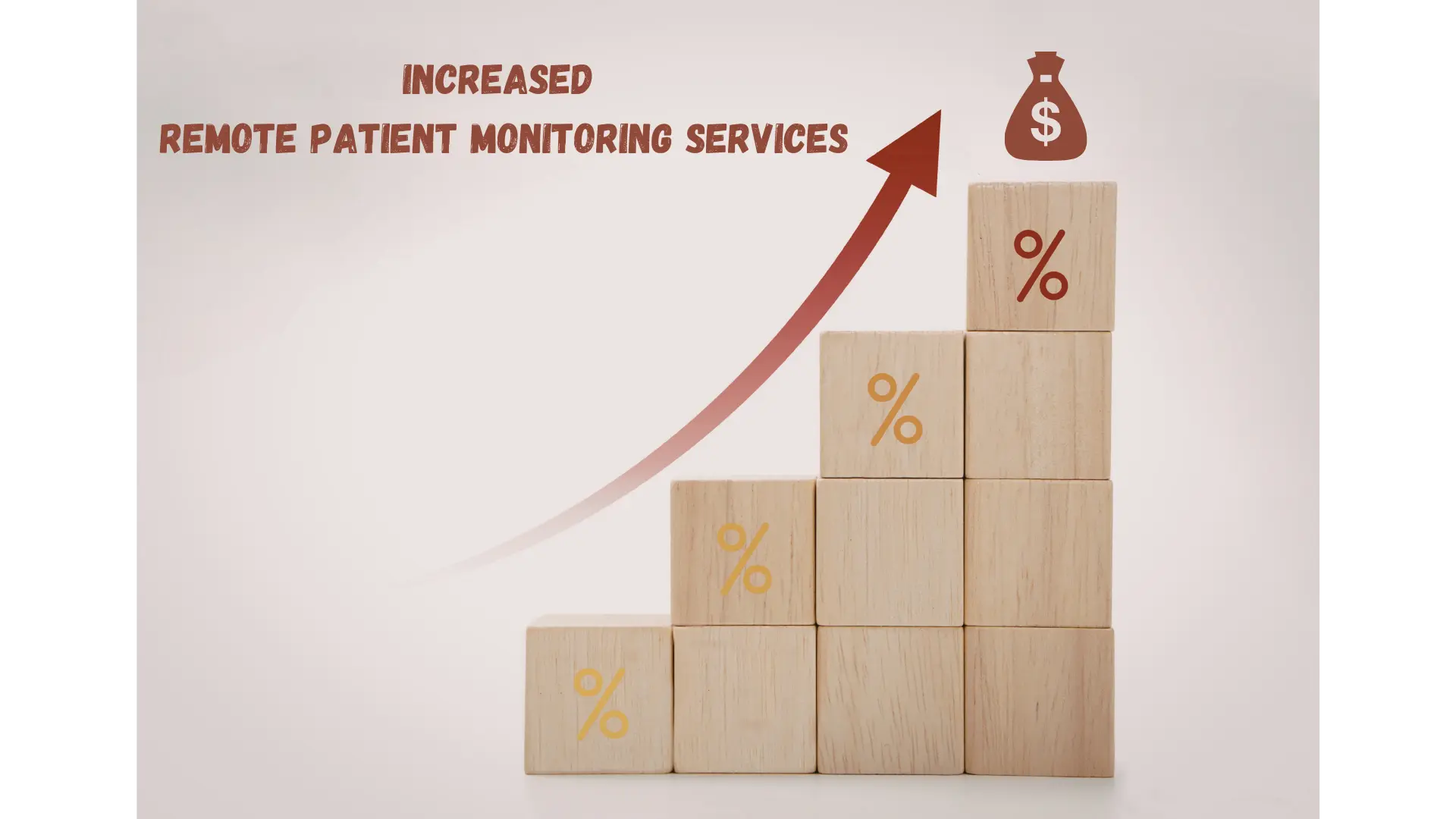
Why Remote Patient Monitoring Services Are Increasing
Strong Reimbursement Structure
Recent updates to RPM billing have made it easier for healthcare providers to implement and manage monitoring
programs. The introduction of additional CPT codes in 2026 provides more flexible billing opportunities,
allowing practices to offer monitoring services with fewer operational barriers.
Most importantly:
- CPT 99445 – Allows providers to bill for 2–15 days of patient readings.
- CPT 99470 – Allows billing for 10 minutes of service time.
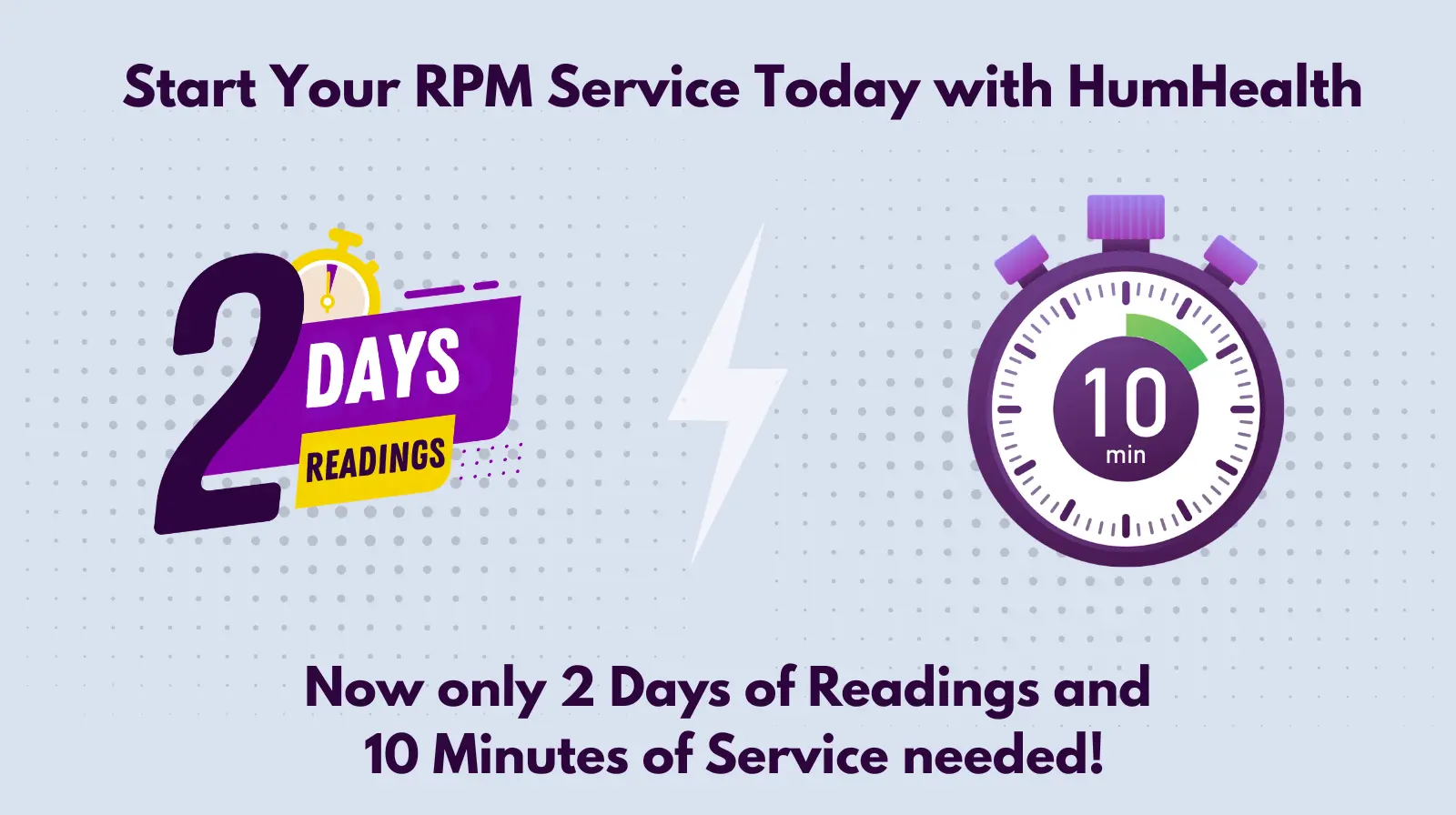
These changes allow practices to deliver remote care more efficiently while maintaining proper reimbursement.
Humhealth continuously updates its platform to support the latest RPM CPT codes, helping practices manage
monitoring, documentation, and billing more efficiently.
Rising Chronic Disease Population
The growing number of patients with chronic conditions such as hypertension, diabetes, heart disease, and COPD is
driving the adoption of Remote Patient Monitoring (RPM). RPM enables providers to track patient health data
remotely and identify potential issues early. HumHealth supports this process with diagnosis-based follow-up
questions, clinical goals, lifestyle guidance, and preventive care suggestions. These help practices deliver
more structured chronic care.
Shift Toward Value-Based Care
Healthcare organizations are increasingly focused on improving patient outcomes while reducing overall costs. RPM
supports this approach by enabling providers to monitor patients beyond the clinic and identify health risks
earlier.
Continuous monitoring and timely follow-up helps care teams manage chronic conditions more effectively. This
reduces hospital re-admissions, emergency visits, and disease-related complications. Humhealth provides tools
that simplify remote monitoring, patient engagement, and ongoing care management. In addition, Humhealth
supports practices as they transition toward value-based care.
Improved Patient Engagement
Patients feel more connected when their providers monitor them through RPM. By sharing vital readings and health
updates from home, care teams stay informed and patients remain more engaged in managing their health. Humhealth
strengthens this through features such as automated reminders for vital readings, personalized care plans,
real-time communication with care teams, and alerts for abnormal readings, helping patients stay on track with
their treatment while enabling providers to intervene when needed.
Summing it up
Remote Patient Monitoring is becoming a vital part of modern healthcare, helping providers manage patient health
more effectively outside of the clinic. By enabling regular tracking of vital data and timely interventions, RPM
supports better clinical outcomes and stronger patient engagement. Humhealth empowers healthcare organizations
with the tools needed to streamline monitoring, improve care coordination, and efficiently scale RPM programs.
Related Articles
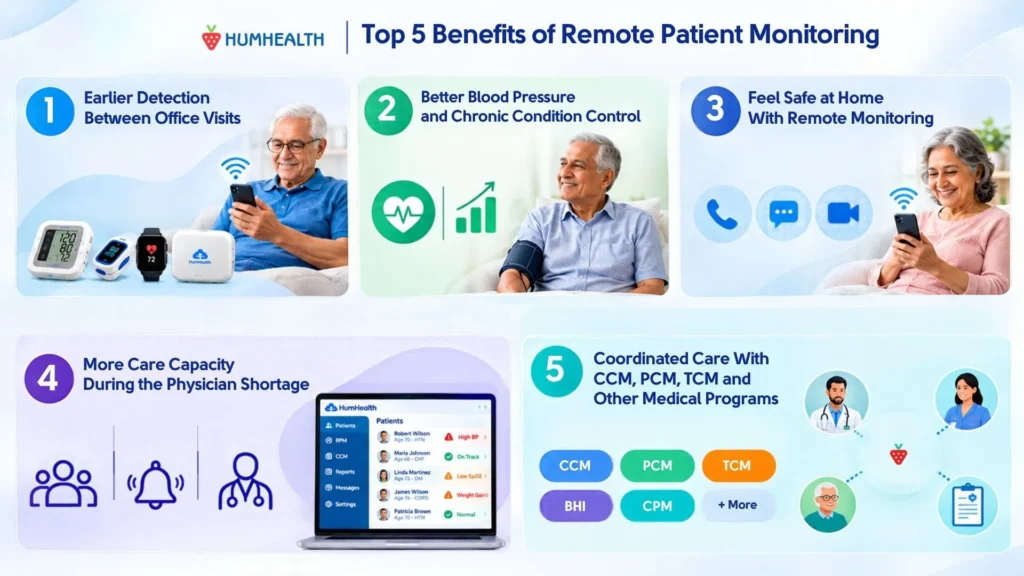
5 Benefits of Remote Patient Monitoring for Patients and Practices
The five main benefits of remote patient monitoring (RPM) are: 1. Earlier detection of health changes between office visits 2. Better blood…
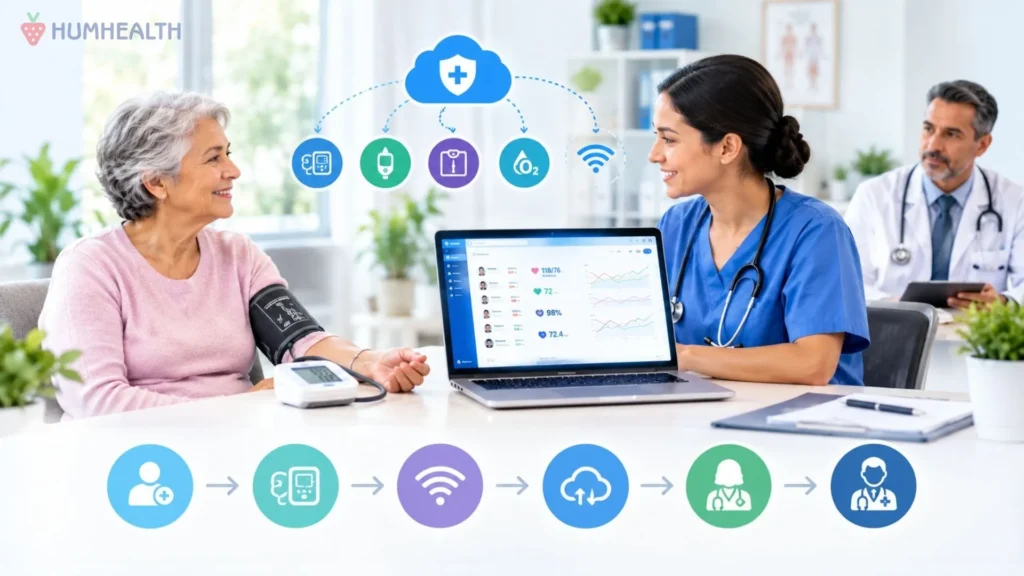
Remote Patient Monitoring for Independent Practices
Independent practices are built on long-standing patient relationships, direct physician involvement, and the ability to make operational decisions quickly. Those same qualities…
How Large Practices Can Launch Remote Patient Monitoring at Scale
A remote patient monitoring program that works well in a single clinic does not automatically work at a health system with a…