So, you’re thinking about launching a Remote
Patient Monitoring (RPM) program for your clinic but aren’t sure where to begin? You’re not alone.
Many small and medium sized clinics recognize the value of RPM but are unsure how to get started or what
challenges to expect.
This article explores why now is the right time to adopt RPM, the common barriers that hold smaller practices
back, how a modern platform simplifies implementation, and the benefits clinics and patients can experience once
an RPM program is up and running.
Why Small and Medium Sized Clinics Need Remote Patient Monitoring Today
For many small and medium sized clinics, delivering ongoing care can be challenging when staff are stretched and
patients with chronic conditions need frequent follow up.
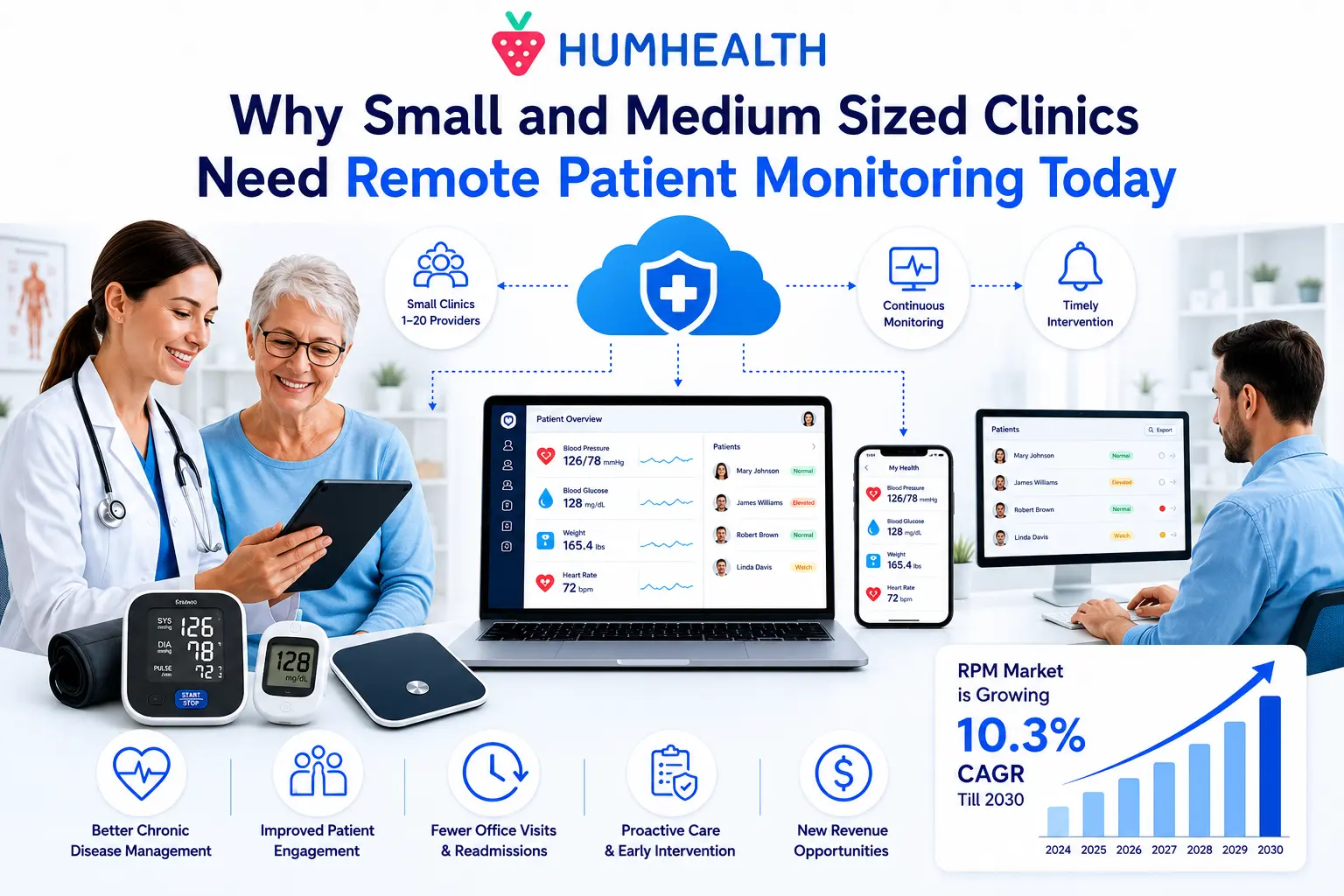
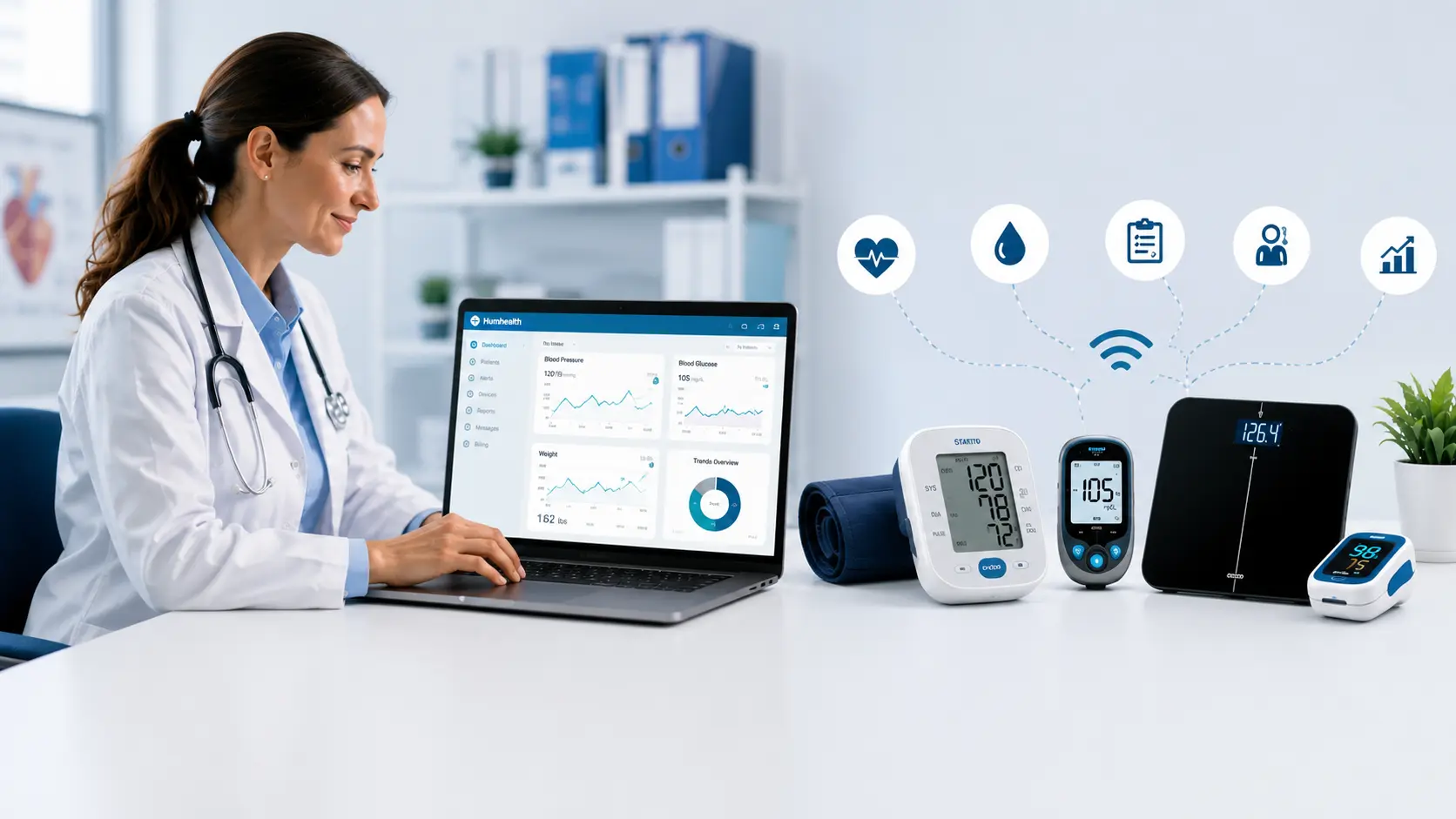
RPM helps bridge that gap by allowing providers to track health data, such as blood pressure, blood glucose, and
weight, between office visits.
The U.S. Department of Health and Human Services highlights RPM as an effective way to
improve chronic disease management and patient engagement through continuous monitoring and timely intervention.
This does not only apply to larger hospitals, but smaller healthcare practices as well, which include small and
medium sized clinics which have anywhere from 1 to 20 healthcare providers on staff.
The demand for RPM continues to grow overall. This is true for both large hospitals and smaller clinics.
The healthcare consulting research firm, iData Research, projects the RPM market to grow at a rate of 10.3% every year till 2030.
Key Challenges in Launching an RPM Program for Small and Medium Clinics
While the benefits are clear, getting an RPM program off the ground isn’t always easy.
In an article in the Journal of General Internal Medicine, interviews with physicians from solo and group
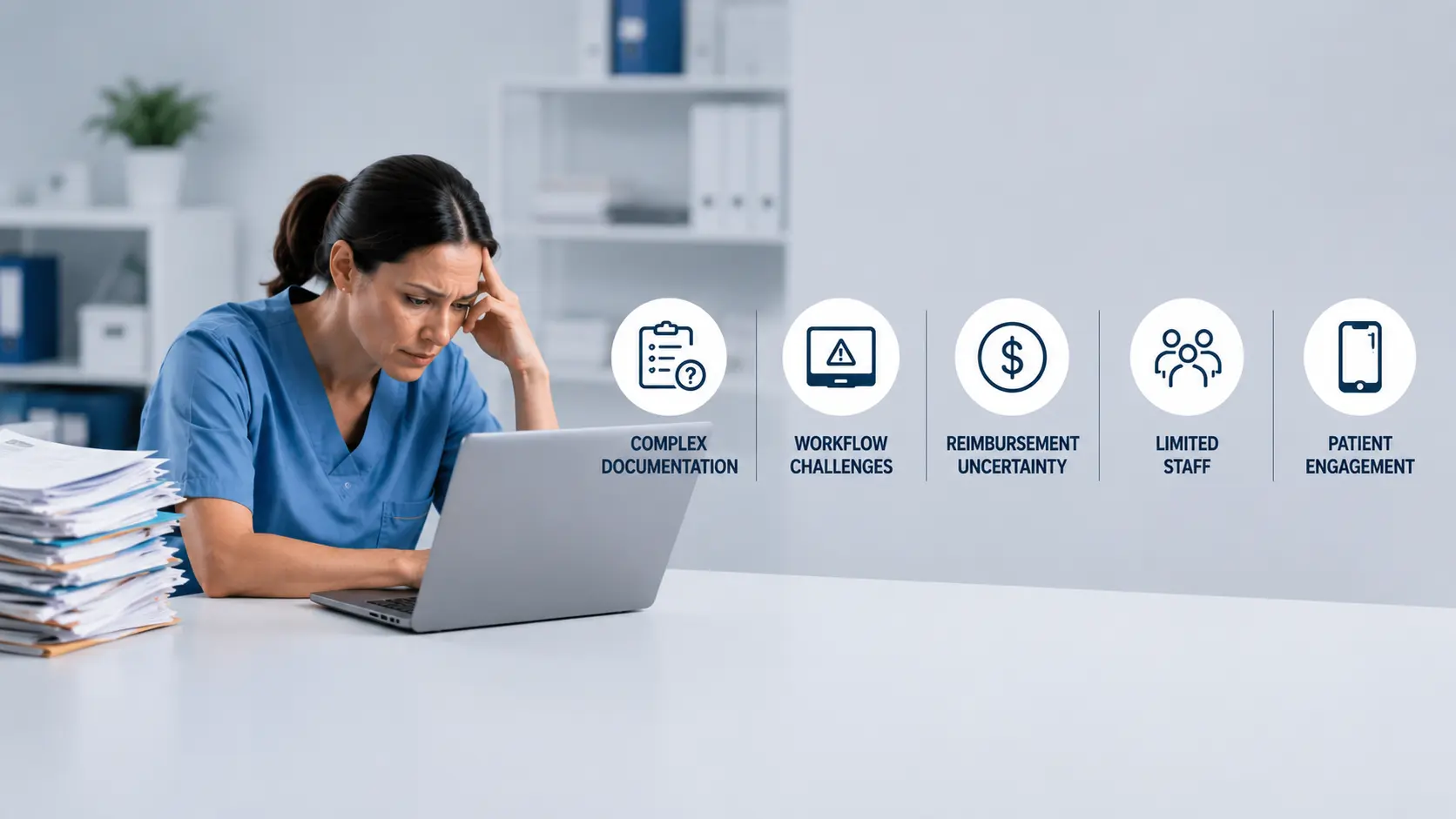
practices identified workflow management, digital literacy, reimbursement uncertainty, and staffing as the
biggest obstacles.
Smaller clinics often have limited IT resources, concerns about Medicare documentation, and little time to manage
devices or train patients.
Patient participation is another hurdle.
Without simple technology and regular reminders, it’s easy for patients to stop taking readings consistently.
How HumHealth Makes RPM Easier for Small and Medium Clinics
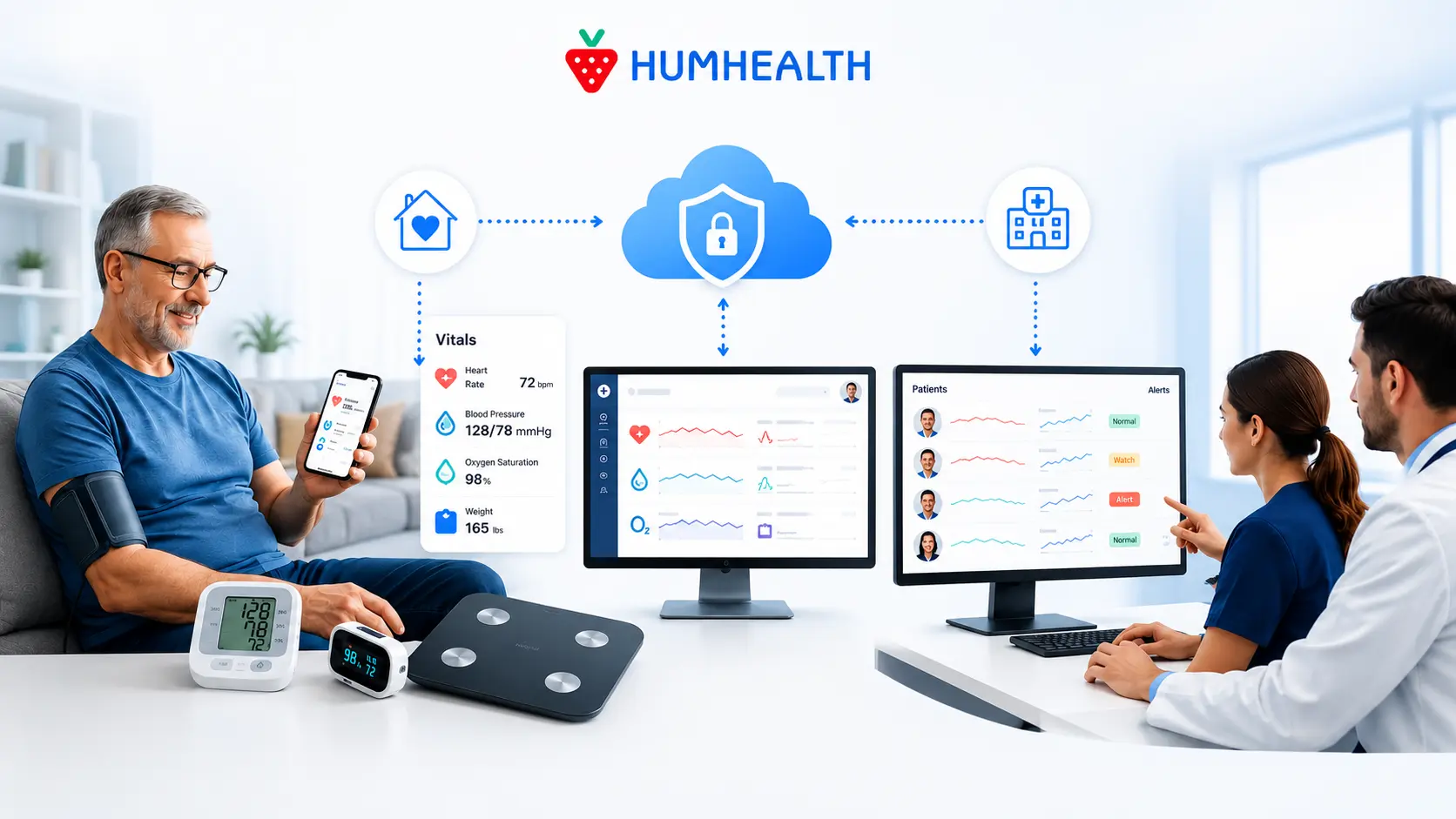
HumHealth helps remove much of the complexity from launching an RPM
program.
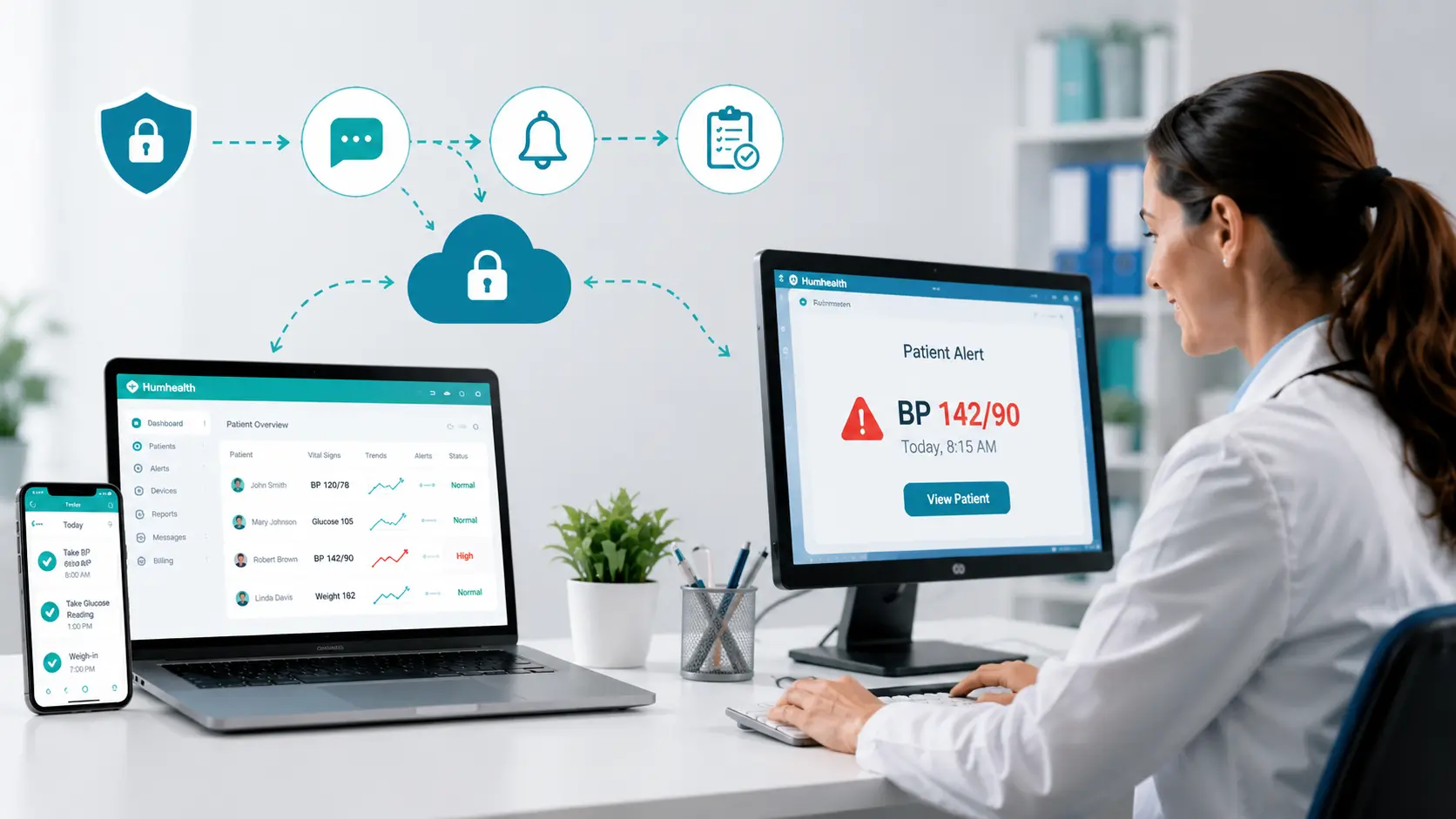
The platform combines connected devices, patient onboarding, automated reminders, secure communication, and
clinician dashboards in one solution.
It streamlines care delivery, thereby increasing the value for both providers and patients alike.
Instead of juggling multiple vendors, clinics can manage the entire patient journey through a single platform.
Providers receive timely alerts when readings fall outside personalized thresholds, making it easier to intervene
before minor concerns become serious.
Finally, HumHealth supports documentation for Medicare RPM billing, helping reduce administrative work while
supporting reimbursement.
The Benefits for Small and Medium Clinics
Clinics need defined staff roles and care coordination for successful RPM.
In a National Library of
Medicine study involving two clinics, consisting of 13 PCPs and 39 PCPs, it was found that care
coordination facilitated both RPM enrollment and
chronic care management.
Implementing RPM is one of the surest ways to achieve high care coordination, where different healthcare roles
can collaborate using one platform.
For clinicians, centralized dashboards make it easier to coordinate care, identify trends and prioritize patients
who need attention.
In a study conducted on patients from primary care practices, it was seen that patients prescribed remote
physiological monitoring were more likely to have favorable chronic care outcomes at 18 months.
Thus, when smaller practices implement RPM, it improves the value of care.
With routine reminders and easy to use monitoring devices, patients are more likely to stay engaged with their
care.
Thus, by introducing RPM, small and medium sized clinics can strengthen care coordination, improve patient
outcomes, and foster greater patient engagement through more consistent, proactive care.
Launch Remote Patient Monitoring with HumHealth
Launching an RPM program doesn’t have to be overwhelming.
With an integrated platform like HumHealth,
small and medium sized clinics can simplify implementation, improve patient engagement, and deliver more
proactive care without adding unnecessary administrative burden.
As digital healthcare continues to evolve, RPM offers clinics a practical way to enhance outcomes while building
stronger, more connected relationships with patients.
Frequently Asked Questions
Remote Patient Monitoring (RPM) is a healthcare service that allows
providers to remotely monitor patients’ health data, including blood pressure,
blood glucose, weight, pulse oximetry (SpO₂), and temperature, using connected
medical devices. For small and medium-sized clinics, RPM improves chronic disease
management, reduces unnecessary office visits, enables earlier intervention, increases
patient engagement, and helps clinicians deliver proactive care while saving valuable staff
time.
Yes. Medicare covers eligible Remote Patient Monitoring (RPM) services when
providers meet CMS billing requirements. Clinics may receive reimbursement for
patient onboarding, connected device data transmission, monthly monitoring, and
interactive communication. Using an RPM platform with built-in documentation
and billing support helps simplify compliance, reduce administrative work, and maximize
Medicare reimbursement.
A typical Remote Patient Monitoring (RPM) program uses FDA-cleared connected medical
devices such as blood pressure monitors, blood glucose meters, pulse oximeters,
digital weight scales, and thermometers. These devices automatically transmit patient
readings to healthcare providers, allowing clinicians to monitor patients between
appointments, identify health trends early, and respond quickly when readings fall outside
normal ranges.
Yes. Small and medium-sized clinics can successfully implement Remote Patient
Monitoring (RPM) by using an all-in-one RPM platform that combines
connected devices, patient onboarding, automated reminders, clinician dashboards,
secure communication, and Medicare billing support. This approach reduces
administrative workload, improves workflow efficiency, and enables clinics with limited
staff to manage more patients effectively.
Remote Patient Monitoring (RPM) improves chronic disease
management by continuously tracking patient health between office visits.
Providers can identify concerning trends earlier, intervene before complications become
serious, improve patient adherence, and make more informed treatment decisions. This
proactive approach helps improve outcomes for patients living with hypertension,
diabetes, heart disease, and other chronic conditions.
Related Articles
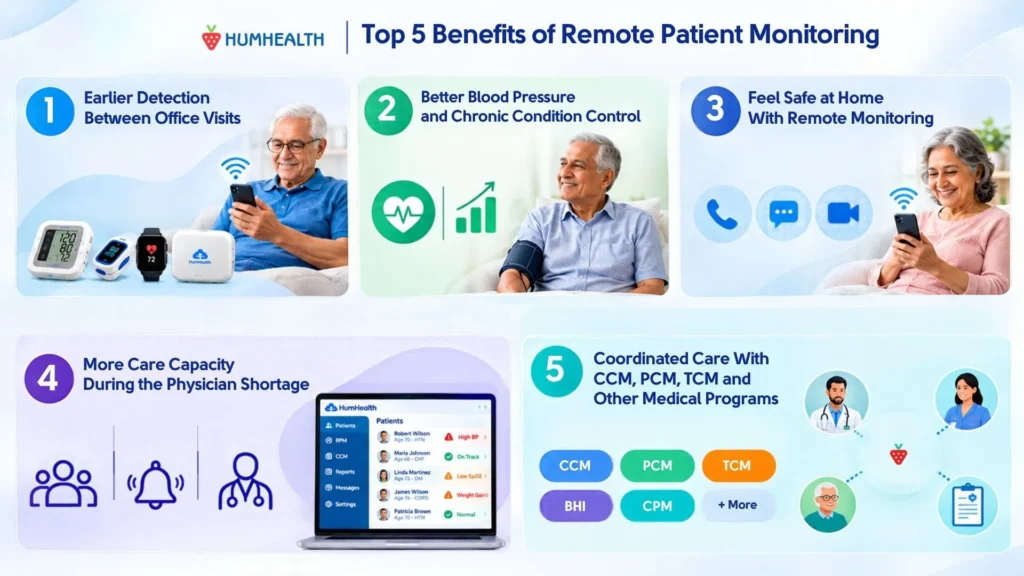
5 Benefits of Remote Patient Monitoring for Patients and Practices
The five main benefits of remote patient monitoring (RPM) are: 1. Earlier detection of health changes between office visits 2. Better blood…
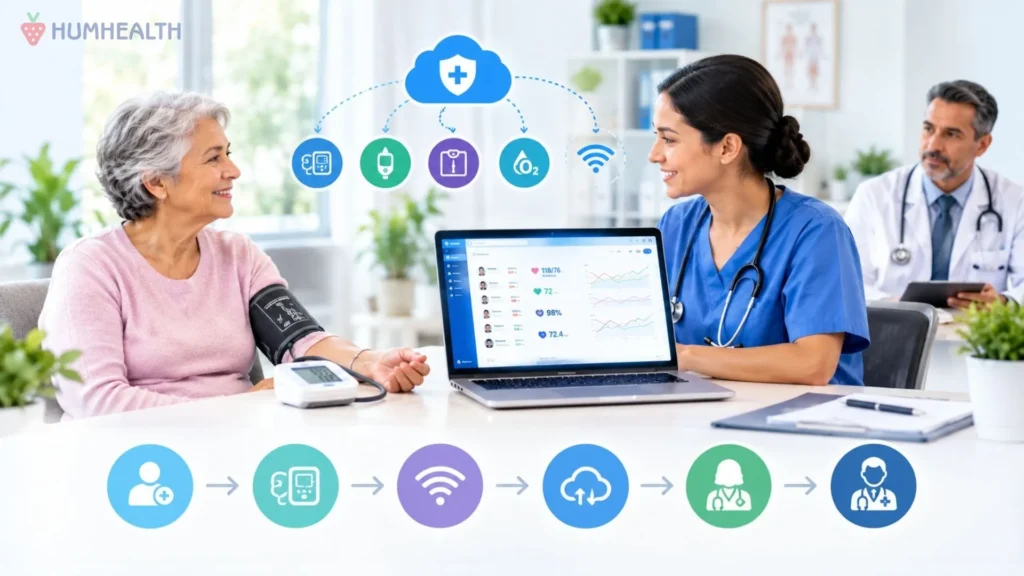
Remote Patient Monitoring for Independent Practices
Independent practices are built on long-standing patient relationships, direct physician involvement, and the ability to make operational decisions quickly. Those same qualities…
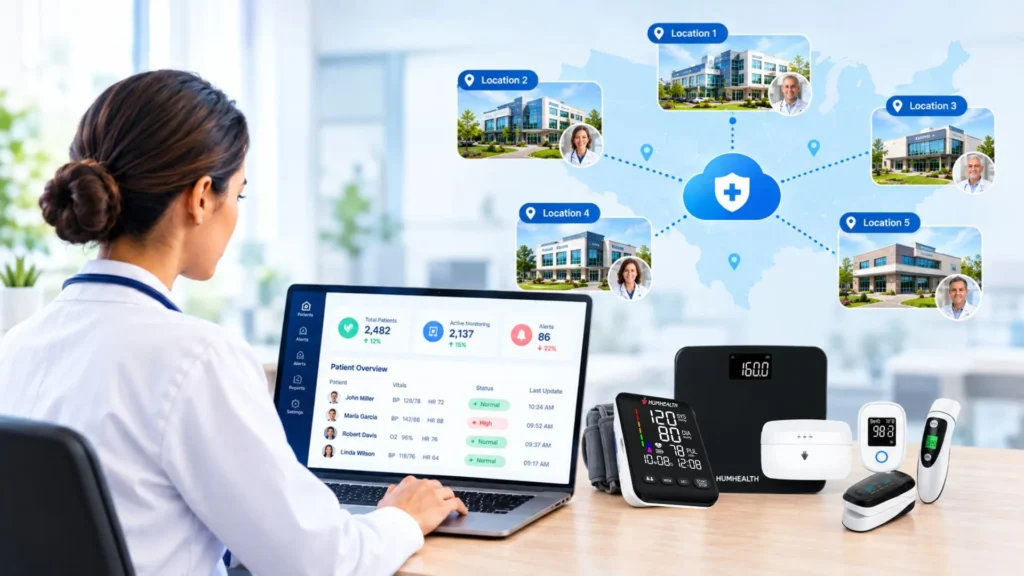
How Large Practices Can Launch Remote Patient Monitoring at Scale
A remote patient monitoring program that works well in a single clinic does not automatically work at a health system with a…