Published:
June 17, 2026 | 8 min readRemote patient monitoring (RPM) is no longer a nice-to-have in primary care.
In 2026, it is becoming part of the everyday toolkit that helps practices stay connected to patients, spot trouble earlier, and manage chronic conditions with less guesswork.
For many U.S. hospitals and practices, the appeal is simple: better follow-up, better visibility, and better outcomes without asking patients to come into the office every time something changes.
The American Association of Nurse Practitioners lists “Remote Monitoring and Wearables Going Mainstream” to be the top trend for 2026.
This blog explores the reasons for RPM adoption in primary care, points out the differentiators of RPM, specifies the value it adds to chronic care management and preventive care, before finally mentioning where RPM is heading.
First, why does RPM matter for primary care?
Why Primary Care Practices Are Adopting RPM
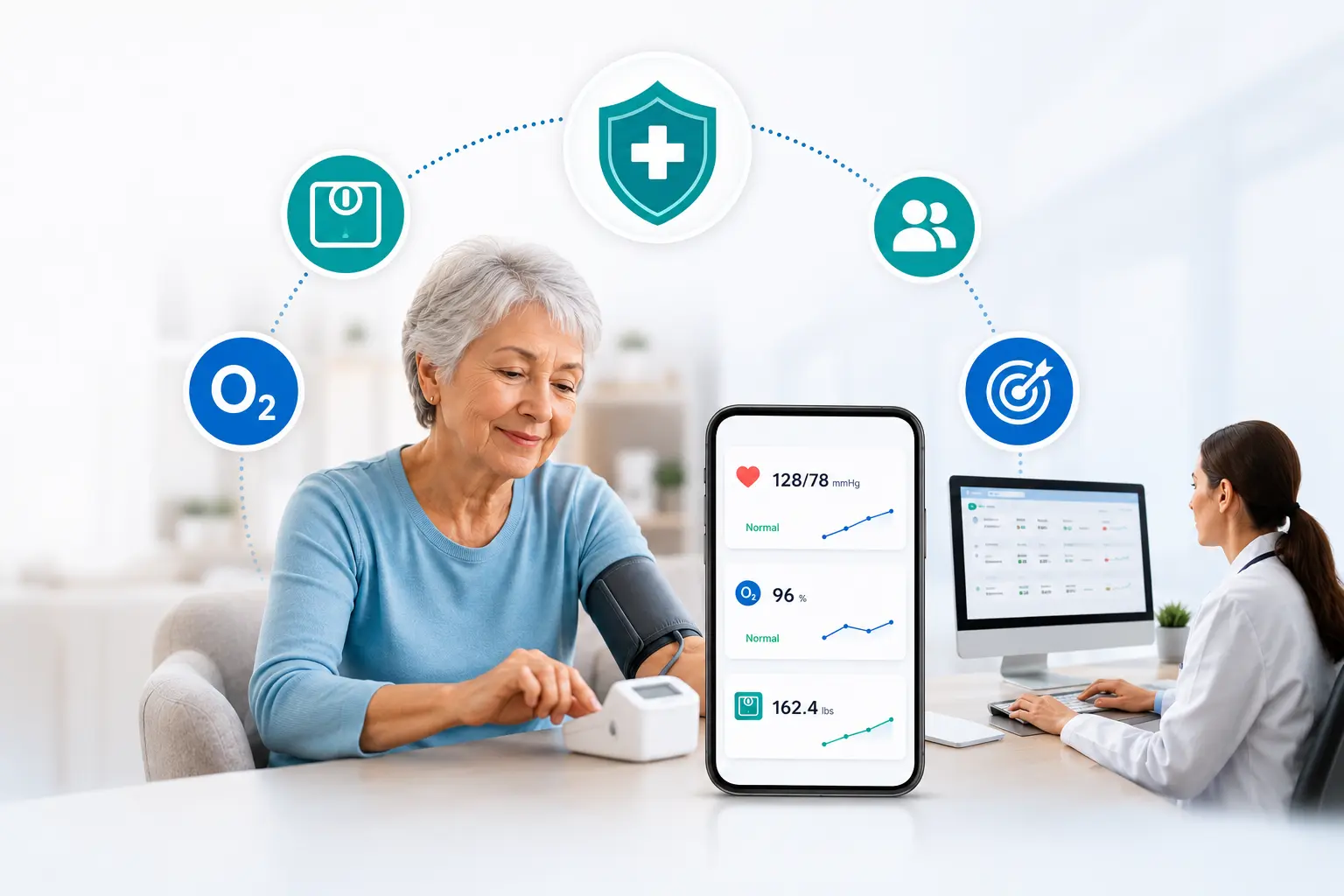
RPM is a Revenue & Accessibility Booster
The Columbia University Mailman School of Public Health published a study that shows how RPM adoption led to 20% greater revenue for primary care practices versus non-adopters.
This came from a mix of greater RPM billing and outpatient visits. The increase in care volume for patients receiving RPM did not come at the expense of other patients, as the number of total patients seen increased.
Change in Patient Population Warrants Greater Speed of Care
Primary care teams are adopting RPM because it fits the way care is actually happening now.
Patients are older, chronic disease is more common, and clinicians need a way to keep tabs on health data such as blood pressure, glucose, weight, and oxygen levels between visits.
Ariel D. Stern, PhD, professor of Digital Health, University of Potsdam, says “In a time when many call for a strengthening of primary care, our study offers cautious optimism that technologies like RPM can make primary care more accessible, proactive, and patient-centered”.
The Legal Landscape Offers Better Efficiency
Medicare’s 2026 physician fee schedule changes are making remote monitoring easier to bill and more practical to use in routine care.
That reimbursement shift matters.
lowered certain time thresholds for RPM billing starting in 2026, which makes it easier for practices to participate without needing extremely high volumes of monitoring time each month.
For a lot of primary care groups, that can be the difference between “interesting idea” and “something we can actually implement.”
The number of RPM billing codes added in the past decade are being used disproportionately by primary care providers, according to a report from the Medicare payment Advisory Commission to the US Congress.
What Makes RPM Different
Greater Visibility
RPM stands out because it gives clinicians a view of what is happening in a patient’s real life, not just during a 15-minute appointment.
A blood pressure log, glucose trend, or weight change over several days can tell a much clearer story than a single reading in the exam room.
That makes RPM especially useful when a patient is doing “okay” on the surface but quietly drifting in the wrong direction.
Greater Continuity
RPM also changes the rhythm of care.
Instead of waiting until the next follow-up visit, the care team can act sooner, which is exactly why remote monitoring is being described as a mainstream part of care delivery in 2026.
In practical terms, it turns primary care into a more continuous relationship.
How RPM Improves Chronic Care Management
RPM is having one of its biggest impacts in chronic care management.
RPM Provides The Means by Which Chronic Conditions Can be Managed.
Chronic conditions like hypertension, diabetes, heart failure, COPD, and obesity-related complications often get worse gradually, and remote monitoring helps catch those changes before they become urgent.
That means medication adjustments, coaching, or triage can happen earlier, sometimes preventing an ED visit or hospitalization. Health Resources and Services Administration’s website on telehealth lists remote monitoring devices, mobile health apps, patient portals and virtual visits as ways to support the prevention and management of chronic diseases.
RPM is Proven To Support Better Health Outcomes.
Many U.S. primary care practices are stretched thin. RPM helps them focus attention where it is needed most, instead of trying to manage every patient the same way. This supports better health outcomes for the patient population.
A systematic review of 40 randomized controlled trials from across the world, including the US, revealed that remote patient monitoring possibly led to lower proportions of patients being hospitalized, fewer hospitalizations, and shorter hospital length of stay compared with usual care.
Why RPM is Important for Preventive Care Now

Preventive care in 2026 is less about one annual checkup and more about staying ahead of risk. RPM helps with that by revealing small changes before they turn into major problems.
A patient’s weight creeping up, oxygen levels slipping, or home blood pressure rising can all be early warning signs that deserve attention.
That makes RPM a strong fit for older adults and people with multiple chronic conditions, two groups that benefit most from proactive oversight.
It is also a good match for value-based care, where avoiding complications matters as much as treating them.
In that sense, RPM is not just about convenience. It is just as much about prevention!
Where RPM Is Headed Next
The next phase of RPM in primary care will likely be shaped by smarter analytics, better device integration, and simpler workflows.
In 2026, remote monitoring is increasingly being treated as part of normal primary care rather than a separate innovation project. That is a big reason the model is gaining traction: it helps clinicians care for more patients in a more human, timely way.
In a study published in the Journal of Medical Internet Research, emerging artificial intelligence technologies are listed for future considerations, such as chatbots to respond to patient messages.
The paper also highlights that RPM implementation and maintenance costs can be substantial, varying based on the care model and monitoring devices used.
Additionally, patient cost-sharing may create barriers to access, potentially limiting participation among economically disadvantaged populations and raising concerns about healthcare equity.
Indeed, with new innovations in analytics, devices and workflows, evaluating RPM solutions based on overall value and cost efficiency has become increasingly complex.
It’s why Humhealth provides transparent pricing for all of its RPM solutions.
RPM is Here to Stay
Remote patient monitoring is transforming primary care in 2026 by making care more proactive, more personal, and more connected to patients’ daily lives.
It supports chronic disease management, strengthens prevention, and gives clinicians routine data to make faster decisions.
With more encouraging reimbursement and mature technology, RPM is becoming a core part of modern U.S. primary care.

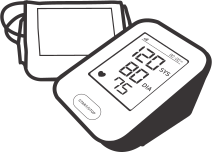
Blood Pressure Monitor
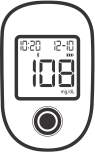
Glucometer
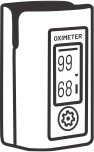
Pulse Oximeter
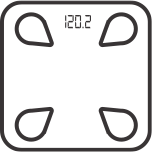
Weight Scale
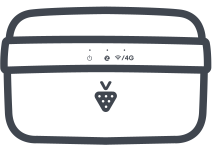
4G Gateway (per household)
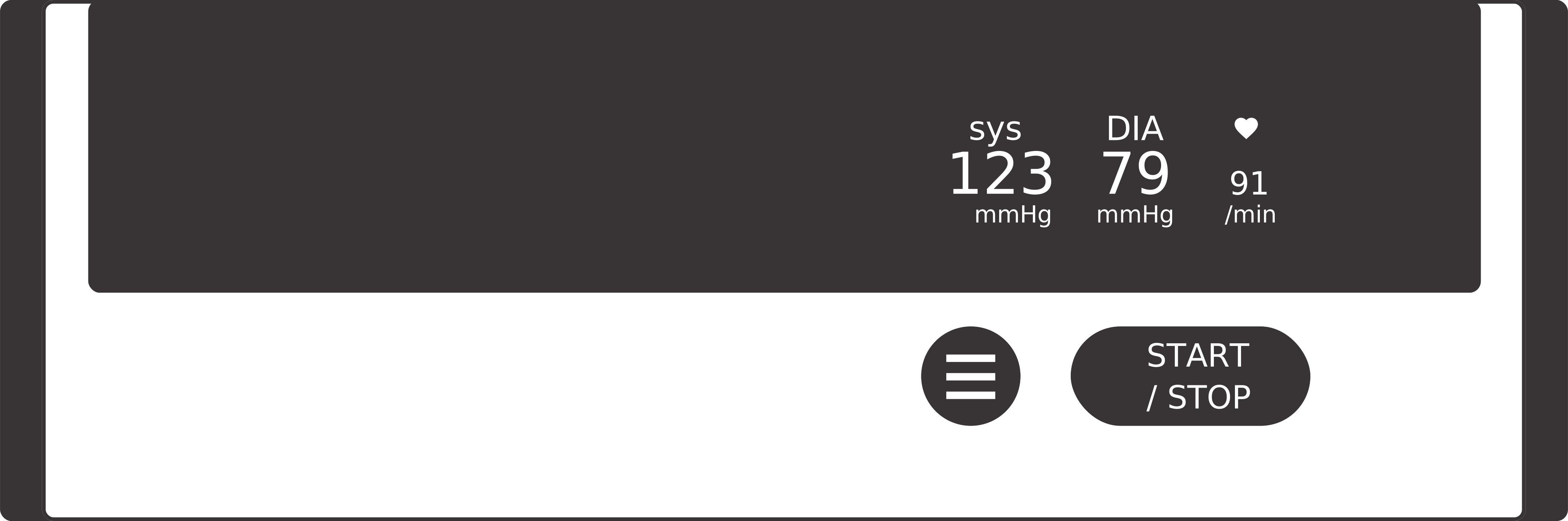
ECG With BP
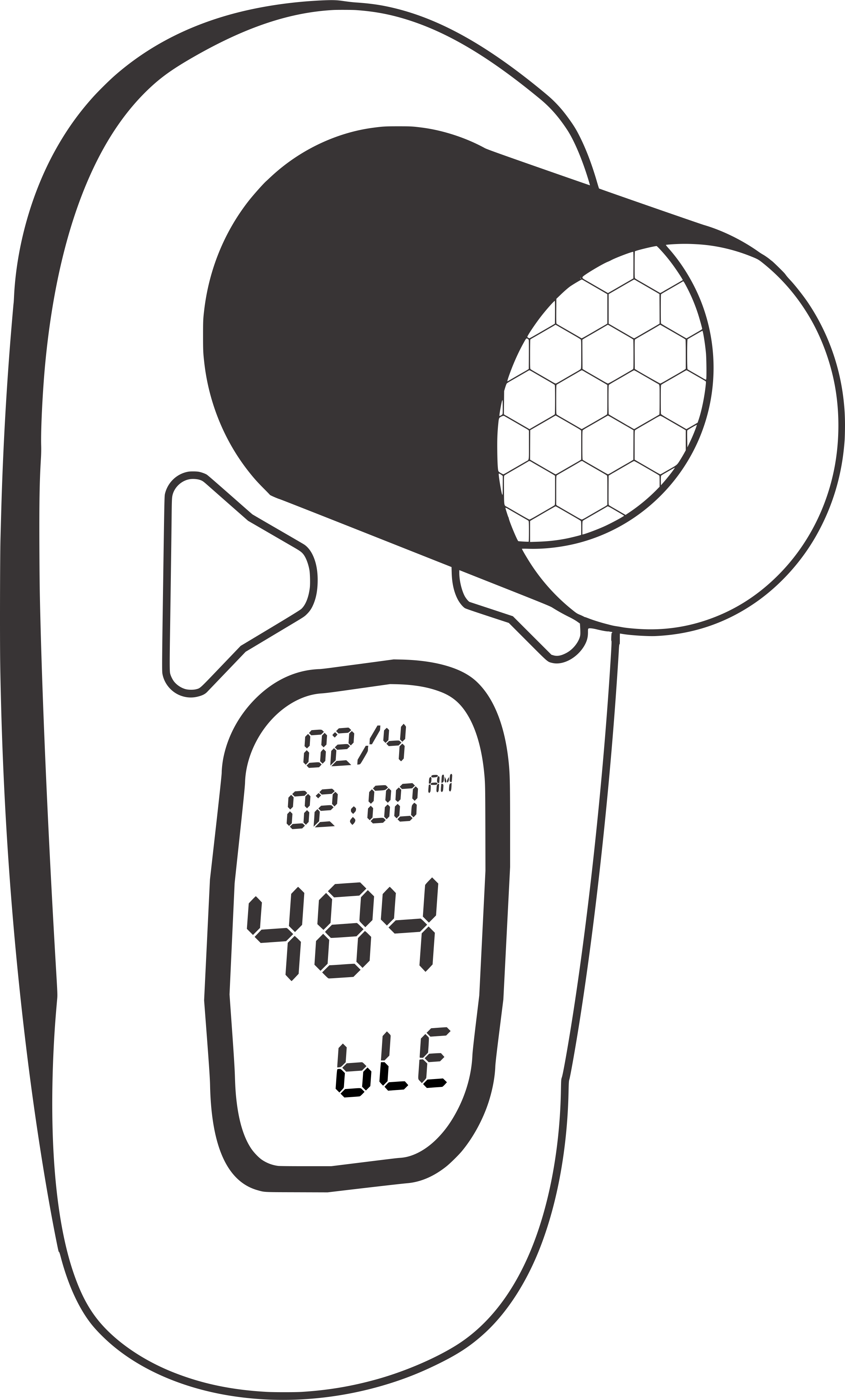
Peak Flow Meter
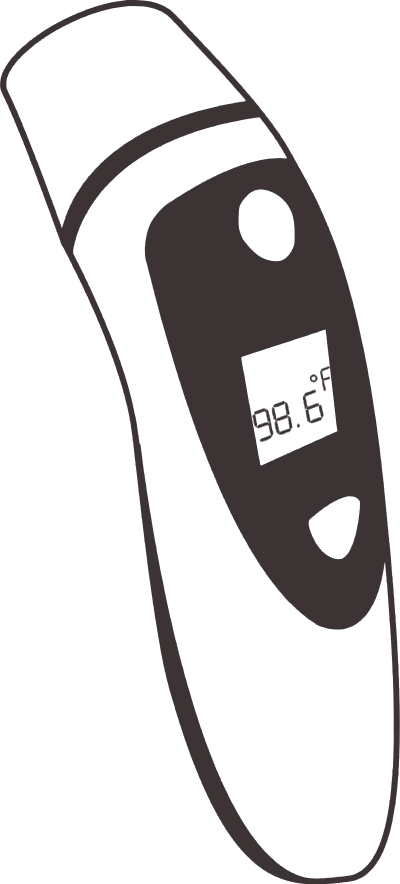
Thermometer